
What Role Does Contrast Play in Outdoor Lighting Design?
When it comes to outdoor lighting design, contrast is more than just a visual tool; it's essential for creating both beauty and functionality. You can highlight architectural elements and guide movement by playing with different light intensities and colors. This strategic use of contrast not only enhances safety but also sets the mood. So, how can you effectively balance light and shadow to achieve the desired atmosphere? Let's explore that further.
Key Takeaways
- Contrast in outdoor lighting enhances visual appeal by highlighting key features and adding depth to the environment.
- It combines various light intensities and colors to create a harmonious atmosphere without overwhelming the space.
- Effective contrast guides movement by illuminating pathways and entrances while leaving other areas in shadow.
- It showcases architectural elements, emphasizing textures and creating inviting focal points through strategic light placement.
- Balancing light and shadow creates a dynamic ambiance, framing features and providing a sense of mystery and exploration.
Understanding Contrast in Lighting
When you think about outdoor lighting design, understanding contrast is essential for creating a visually appealing space. Contrast helps highlight key features while adding depth and dimension to your environment.
By combining different light intensities, colors, and shadows, you can draw attention to focal points and create a balanced atmosphere.
For instance, illuminating a pathway with soft, warm lights can contrast beautifully against darker landscaped areas, guiding guests safely while enhancing the overall aesthetic.
Similarly, layering different light sources can produce striking visuals, making your outdoor space inviting and dynamic.
Remember, too much contrast can be overwhelming, so aim for harmony in your design.
Enhancing Architectural Features
Architectural features deserve to shine, and effective outdoor lighting can make that happen.
By using contrast, you can highlight the unique elements of your building, drawing attention to its beauty.
Here are three ways to enhance your architectural features with lighting:
- Focus on Textures: Use directional lighting to accentuate materials like stone or brick, bringing out their details.
- Create Shadows: Position lights strategically to cast shadows that add depth and interest, emphasizing lines and shapes.
- Highlight Entryways: Illuminate doors and windows to guide the eye, making entrances welcoming and visually appealing.
Creating Ambiance and Mood
Lighting plays a crucial role in setting the ambiance and mood of outdoor spaces, as it can transform an ordinary area into an inviting retreat. By using a mix of warm and cool tones, you can create a cozy atmosphere or a more vibrant setting, depending on your needs.
Consider illuminating specific features like trees or pathways while leaving other areas in shadow to enhance depth and intrigue. Soft, diffused lighting encourages relaxation, making it perfect for lounging, while brighter, focused lights can energize social gatherings.
Incorporating subtle contrasts helps define spaces, allowing you to craft a unique experience that resonates with your guests. Ultimately, your outdoor lighting choices can evoke emotions and invite connection, making your space truly memorable.
Guiding Movement Through Spaces
Creating ambiance not only enhances the mood but also plays a vital role in guiding movement through spaces. Effective outdoor lighting helps you navigate pathways and highlights important areas, ensuring safety and comfort.
Here are three ways contrast aids in guiding movement:
- Highlighting Pathways: Use brighter lights along walkways to lead the way, drawing attention to safe routes.
- Emphasizing Entrances: Illuminate doors and entry points with contrasting light to make them easily identifiable, inviting visitors in.
- Creating Focal Points: Use contrasting lighting to showcase elements like sculptures or seating areas, encouraging exploration and interaction.
Balancing Light and Shadow
Balancing light and shadow is essential for crafting an inviting outdoor environment. When you create this balance, you enhance the visual appeal and atmosphere of your space. Think about how shadows can frame features, while light highlights important areas.
| Element | Light Effect | Shadow Effect |
|---|---|---|
| Pathways | Guides movement | Creates depth |
| Trees | Adds texture | Provides contrast |
| Architectural Features | Draws focus | Offers mystery |
Frequently Asked Questions
How Does Contrast Affect Energy Efficiency in Outdoor Lighting?
Contrast can enhance energy efficiency by allowing you to use lower wattage fixtures effectively. By strategically placing brighter lights, you'll create focal points while reducing overall energy consumption, leading to cost savings and a more sustainable design.
Can Color Contrast Enhance Safety in Outdoor Spaces?
Yes, color contrast can enhance safety in outdoor spaces. It helps you identify hazards quickly, guiding your movement. By using contrasting colors, you create visual cues, making environments more navigable and reducing potential accidents.
What Materials Improve Contrast in Outdoor Lighting Design?
To improve contrast in outdoor lighting design, you can use materials like reflective surfaces, textured finishes, and colored elements. These choices enhance visibility and create dynamic spaces, making your outdoor areas safer and more inviting.
How Does Contrast Influence Wildlife Interactions With Outdoor Lighting?
When you consider wildlife interactions with outdoor lighting, contrast affects how animals perceive their environment. It can either attract or repel them, influencing their behavior based on visibility and the surrounding landscape's light levels.
What Are Common Mistakes When Applying Contrast in Outdoor Lighting?
You might overlook balance, using too much contrast that blinds rather than highlights. Avoid harsh transitions between light and dark, and don't underestimate the importance of subtle variations that create a more inviting atmosphere.

What Factors Affect the Performance of Landscape Lighting?
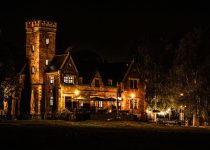
How Does Landscape Lighting Affect Nighttime Ambiance?

What Design Ideas Suit Minimalistic Landscape Lighting?
About Author

Rohan C.
Rohan wants to build his own dream backyard to get away from their busy home life. And he also helps bring design to life and build it for his customers using high quality products and building techniques. Rohan has provided many colorful ideas including a water fountain, gazebo, pergola, BBQ area, splash pad, sandbox, and decking with a built-in barbecue.