
What Can You Cook on a Webber Rotisserie
Imagine the sizzle of succulent meats slowly rotating over an open flame, filling the air with tantalizing aromas. You may think a Weber rotisserie is just for roasting chicken, but there's so much more you can do with it.
From juicy pork roasts to flavorful racks of lamb, and even tender beef tenderloin, the possibilities are endless.
But that's not all – you might be surprised to learn that you can also use the rotisserie to cook up a variety of vegetables and fruits, adding a whole new dimension to your grilling game.
So, what else can you cook on a Weber rotisserie? Well, let's just say there's more than meets the eye.
Rotisserie Chicken
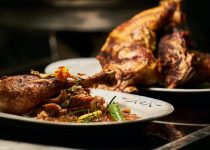
If you're looking to elevate your grilling game and enjoy succulent, flavorful chicken, the Weber rotisserie is a game-changer.
When it comes to rotisserie chicken, brining is the key to achieving moist and tender meat. A simple brine of water, salt, sugar, and aromatics like garlic and herbs can make a world of difference. Allow the chicken to soak in the brine for at least 4 hours, or overnight for the best results.
Seasoning is also crucial for delicious rotisserie chicken. A blend of salt, pepper, paprika, garlic powder, and any other preferred herbs and spices will add depth and flavor to the chicken. Before placing the chicken on the rotisserie, make sure to truss it securely to ensure even cooking.
When it comes to cooking time and temperature, aim for a steady 350°F (175°C). A 4 to 5-pound chicken will generally take around 1.5 to 2 hours to cook thoroughly. Use a meat thermometer to ensure the internal temperature reaches 165°F (74°C) before removing it from the rotisserie.
With these brining techniques, seasoning, and attention to cooking time and temperature, you'll be sure to impress with your perfectly cooked rotisserie chicken.
Pork Roasts
To achieve a juicy and flavorful pork roast on your Weber rotisserie, marinating the meat with a savory blend of herbs and spices is essential. Slow cooking a pork roast on the rotisserie allows the meat to become tender, while the juices are sealed in, resulting in a mouthwatering dish. Here are some seasoning options to elevate your pork roast:
- Garlic and Herb: Create a marinade with minced garlic, rosemary, thyme, and a hint of lemon zest. This combination infuses the pork with a burst of aromatic flavors.
- Sweet and Spicy: Mix brown sugar, paprika, cayenne pepper, and a touch of cinnamon for a tantalizing sweet and spicy rub that caramelizes beautifully during the rotisserie process.
- Asian Fusion: Soy sauce, ginger, sesame oil, and a dash of honey form an Asian-inspired marinade that brings a delightful umami flavor to the pork roast.
- Smoky BBQ: A classic barbecue rub with a smoky undertone from ingredients like smoked paprika, cumin, and brown sugar imparts a rich and bold taste to the pork.
Experiment with these seasoning options to find your favorite, and let the Weber rotisserie work its magic, turning out a succulent and flavorful pork roast every time.
Racks of Lamb
After mastering the art of cooking juicy and flavorful pork roasts on your Weber rotisserie, you can now turn your attention to creating succulent and tender racks of lamb. Racks of lamb are an exquisite choice for rotisserie cooking, offering a tender and juicy outcome that's bound to impress. To ensure you achieve the perfect rack of lamb on your Weber rotisserie, it's essential to understand some key cooking techniques and flavor pairings.
| Cooking Techniques | Flavor Pairings |
|---|---|
| 1. Use a marinade or rub to infuse flavor into the lamb. | 1. Rosemary and garlic complement the natural flavors of lamb. |
| 2. Truss the racks securely to ensure even cooking. | 2. A mint sauce or a balsamic reduction adds a delightful contrast. |
| 3. Cook the lamb over medium heat until it reaches an internal temperature of 145°F for medium-rare. | 3. A side of roasted vegetables or a fresh arugula salad makes for a balanced meal. |
Beef Tenderloin
Explore the succulent tenderness of beef tenderloin on your Weber rotisserie, a delightful choice for creating a mouthwatering and impressive meal. Grilling beef tenderloin on your rotisserie is a fantastic way to achieve a perfect medium-rare doneness while locking in the juices for a tender and flavorful result.
Here's how to make the most of your beef tenderloin on the Weber rotisserie:
- Season the beef tenderloin generously with a mix of salt, pepper, garlic powder, and rosemary for a robust flavor profile.
- Use a two-zone grilling technique, searing the tenderloin over direct heat to get a nice crust, then moving it to the indirect heat side to cook evenly without burning.
- Consider adding a wood chip blend of hickory and cherry for a smoky flavor infusion.
- Let the beef tenderloin rest for 10-15 minutes after grilling to allow the juices to redistribute, ensuring a moist and succulent result.
Grilling beef tenderloin on your Weber rotisserie is an excellent way to impress your guests with a delectable and memorable dining experience.
Vegetables and Fruits
ARTICLE TITLE: Cooking on a Weber Rotisserie
PREVIOUS SUBTOPIC: 'Beef Tenderloin'
CURRENT SUBTOPIC: 'Vegetables and Fruits'
Enhance your grilling experience by adding a colorful array of vegetables and fruits to your Weber rotisserie for a vibrant and flavorful outdoor feast. Grilled peaches and pineapples offer a delightful sweetness, while roasted bell peppers and zucchinis bring a savory and smoky flavor to the table. Here are some delectable options to elevate your grilling game:
| Vegetables | Fruits |
|---|---|
| Roasted bell peppers | Grilled peaches |
| Zucchini | Grilled pineapple |
Grilled peaches and pineapples develop a caramelized exterior and a juicy, tender interior when cooked on the rotisserie. They can be served on their own, paired with ice cream, or used to add a sweet and tangy twist to salads. Meanwhile, roasted bell peppers and zucchinis take on a rich, charred flavor that complements a variety of dishes, from sandwiches to pasta. With these versatile options, your Weber rotisserie becomes a versatile tool for creating an array of mouthwatering dishes.
Frequently Asked Questions
Can I Use the Webber Rotisserie for Cooking Fish?
Yes, you can use the Webber rotisserie for cooking fish! Grilled seafood like whole fish or fillets turn out moist and flavorful on the rotisserie. It's also perfect for succulent rotisserie chicken. Enjoy!
What Are the Best Marinades or Rubs to Use for Rotisserie Pork Roasts?
For the best rotisserie pork roast, start with a flavorful dry rub or marinade. Mix spices like garlic, paprika, and brown sugar. Let it marinate for at least 2 hours. Then, slow cook it on the rotisserie for juicy, tender meat.
How Do I Prevent the Beef Tenderloin From Becoming Dry on the Rotisserie?
To prevent the beef tenderloin from becoming dry on the rotisserie, ensure to truss it properly to maintain moisture. Baste the meat with flavorful liquids. Use a drip pan to catch the juices and create a moist cooking environment.
Can I Rotisserie Cook Whole Vegetables Like Butternut Squash or Whole Fruits Like Pineapple?
Yes, you can rotisserie cook whole vegetables like butternut squash or whole fruits like pineapple. Rotisserie vegetarian options include bell peppers, zucchini, and eggplant. As for fruits, pineapple and apples work great! Enjoy experimenting!
Are There Any Special Techniques for Cooking Racks of Lamb on the Rotisserie?
For cooking racks of lamb on the rotisserie, secure the meat with butcher's twine, season generously, and cook until the internal temperature reaches 145°F for medium-rare. The rotisserie is versatile for rotisserie chicken, turkey, duck, and goose.
How Much Meat Do You Get From a Rotisserie Chicken

What Are the Best Covers for Your Chaise Lounge in Outdoor Spaces?
Can I Power Wash Cambridge Pavers
About Author
