
What Factors Make a Landscape Lighting Design Successful?
When it comes to successful landscape lighting design, several key factors come into play. You need to consider your landscape's unique features, the ambiance you want to create, and the right fixtures to use. Each of these elements contributes to the overall effectiveness of your lighting scheme. But how do you balance aesthetics with functionality? Let's explore these aspects further to understand how they work together.
Key Takeaways
- Recognize and enhance unique landscape features with appropriate lighting to create visual interest and depth.
- Define the desired nighttime ambiance to guide lighting choices, ensuring it matches planned activities.
- Select fixtures that complement outdoor decor while ensuring durability and functionality for specific purposes.
- Layer lighting by combining ambient, task, and accent lights for a balanced and practical illumination.
- Maintain lighting systems through regular inspections and cleaning to ensure longevity and optimal performance.
Understanding Your Landscape's Unique Features
To create a captivating landscape lighting design, you first need to recognize the unique features of your outdoor space.
Look closely at the architecture of your home, the layout of your gardens, and any natural elements like trees or water features. Each aspect can influence your lighting choices. For instance, highlight a beautiful tree with uplighting or illuminate a pathway to guide guests safely.
Consider the materials and colors in your landscape, as they can affect how light reflects and interacts.
Pay attention to focal points, like sculptures or seating areas, as these are excellent candidates for accent lighting.
Defining the Desired Ambiance
How do you want your outdoor space to feel when the sun sets? Defining the desired ambiance is essential in landscape lighting design.
Do you envision a cozy, inviting atmosphere for gatherings, or a serene, tranquil space for relaxation? Consider the activities you'll enjoy in your outdoor area.
If you're hosting dinners, soft, warm lighting can create an intimate vibe. For a more vibrant setting, brighter lights can energize the space.
Think about the colors you prefer, as they can set the mood. You might want to highlight certain features, like trees or pathways, to enhance the overall experience.
Selecting the Right Fixtures
Once you've defined the ambiance you want for your outdoor space, the next step is selecting the right fixtures to bring that vision to life.
Choosing the proper fixtures not only enhances your design but also ensures functionality. Here are three key factors to consider:
- Style: Match fixtures to your outdoor decor for a cohesive look.
- Functionality: Select lights that serve specific purposes, like path lighting or accenting focal points.
- Durability: Opt for weather-resistant materials to withstand the elements.
The Importance of Layering Light
While many homeowners may overlook the importance of layering light, it's essential for creating a well-balanced and inviting outdoor environment. By combining ambient, task, and accent lighting, you're able to achieve depth and dimension that enhances your landscape's features.
Ambient lighting provides overall illumination, making your outdoor space feel welcoming. Task lighting focuses on specific areas, like pathways or seating, ensuring functionality. Accent lighting highlights architectural elements or beautiful plants, drawing attention to their beauty.
This thoughtful approach not only elevates the aesthetic but also improves usability. So, as you design your landscape lighting, remember that layering creates a harmonious blend of light, making your outdoor space both appealing and practical for gatherings or quiet evenings alike.
Considering Safety and Functionality
When planning your landscape lighting, prioritizing safety and functionality is crucial to ensuring a pleasant outdoor experience.
Properly designed lighting not only enhances aesthetics but also protects you and your guests.
Here are key considerations:
- Pathway Illumination: Brighten walkways and driveways to prevent trips and falls.
- Step Lighting: Highlight stairs and elevation changes to improve visibility.
- Security Lighting: Use motion-sensor lights to deter intruders and enhance safety.
Maintenance and Longevity of Lighting Systems
To keep your landscape lighting systems shining bright, regular cleaning practices are essential.
Choosing durable fixture materials can also enhance longevity, ensuring your investment lasts.
Don't forget the importance of seasonal inspections to catch any issues before they become major problems.
Regular Cleaning Practices
Regular cleaning practices are essential for maintaining the beauty and functionality of your landscape lighting system.
Neglecting to clean your fixtures can lead to buildup that diminishes their performance and aesthetic appeal.
Here's what you should focus on:
- Remove debris: Regularly clear leaves, dirt, and dust from your lights to prevent obstruction.
- Wipe down surfaces: Use a damp cloth to clean lenses and fixtures, ensuring maximum brightness.
- Check connections: Inspect wiring and fixtures for corrosion, cleaning as necessary to ensure safe operation.
Durable Fixture Materials
Choosing durable fixture materials is crucial for ensuring your landscape lighting system withstands the test of time. You'll want fixtures that resist rust, corrosion, and fading from harsh weather conditions. Materials like stainless steel, brass, and high-quality plastic not only enhance longevity but also maintain their aesthetic appeal.
| Material | Emotional Impact |
|---|---|
| Stainless Steel | Reliability & Strength |
| Brass | Timeless Elegance |
| High-Quality Plastic | Versatility & Value |
Seasonal Inspections Importance
Even the most durable fixture materials can benefit from seasonal inspections to ensure optimal performance and longevity.
Regular checks help you identify issues before they escalate, saving you time and money in the long run.
Here's what to focus on during your inspections:
- Check for damage: Look for cracked lenses or rusted fixtures that could hinder functionality.
- Clean the fixtures: Remove dirt, leaves, and debris to maintain brightness and effectiveness.
- Test the wiring: Ensure connections are secure and free from corrosion to prevent electrical issues.
Frequently Asked Questions
How Do Seasonal Changes Affect Landscape Lighting Design?
Seasonal changes impact your landscape lighting design by altering visibility and ambiance. In winter, for instance, snow reflects light differently, while summer foliage can block fixtures, requiring adjustments to maintain effective illumination throughout the year.
Can I Install Landscape Lighting Myself, or Should I Hire a Professional?
You can install landscape lighting yourself if you're handy and familiar with electrical work. However, hiring a professional ensures optimal placement and safety, giving your outdoor space a polished look without the stress of potential mistakes.
What Is the Average Cost of Landscape Lighting Installation?
The average cost of landscape lighting installation ranges from $2,000 to $6,000, depending on your project's size and complexity. Consider additional expenses for features like smart controls or specialized fixtures to enhance your design.
How Can I Incorporate Smart Technology Into My Landscape Lighting?
You can incorporate smart technology by installing Wi-Fi-enabled lights, using motion sensors, and integrating with home automation systems. These options let you control lighting remotely, customize settings, and enhance energy efficiency, all while adding convenience.
What Are the Best Energy-Efficient Lighting Options Available?
You'll find LED bulbs to be the best energy-efficient lighting option for your landscape. They consume less power, last longer, and come in various styles, making them perfect for enhancing your outdoor spaces without wasting energy.

How Do I Select Energy-Saving Bulbs for Landscape Lighting?

How Do I Design Landscape Lighting for a Multi-Level Yard?
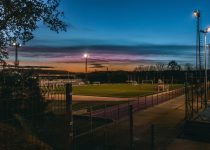
What Outdoor Areas Benefit From Landscape Lighting Most?
About Author

Rohan C.
Rohan wants to build his own dream backyard to get away from their busy home life. And he also helps bring design to life and build it for his customers using high quality products and building techniques. Rohan has provided many colorful ideas including a water fountain, gazebo, pergola, BBQ area, splash pad, sandbox, and decking with a built-in barbecue.