
Safe Vs Risky: Outdoor Cooking Strategies Decoded
Are you ready to master the art of outdoor cooking?
In this article, we’ll decode the secrets of safe versus risky cooking strategies. From handling raw meats to choosing the right equipment and grilling techniques, we’ll guide you through it all.
Learn how to ensure fire safety, avoid cross-contamination, and properly store food.
Get ready to impress your friends and family with your outdoor culinary skills while keeping everyone safe.
Let’s dive in!
Proper Handling of Raw Meats
To ensure food safety, you should always handle raw meats properly when cooking outdoors. This is crucial because improper handling of raw meats can lead to foodborne illnesses and ruin your outdoor cooking experience.
First and foremost, make sure to wash your hands with warm water and soap before and after handling raw meats. This simple step helps prevent the spread of bacteria from the meat to other surfaces or food items.
Additionally, it’s important to keep raw meats separate from other ingredients to prevent cross-contamination. Use separate cutting boards and utensils for raw meats and wash them thoroughly with hot, soapy water after each use.
When marinating raw meats, it’s essential to do so in the refrigerator, not at room temperature. Marinating at room temperature can promote the growth of harmful bacteria. Also, never reuse marinades that have come into contact with raw meats unless you bring them to a boil first to kill any bacteria.
When cooking raw meats, use a food thermometer to ensure they reach the appropriate internal temperature. This helps guarantee that harmful bacteria are killed and the meat is safe to eat.
Choosing the Right Cooking Equipment
When choosing the right cooking equipment for outdoor cooking, it’s important to consider your specific needs and preferences. Are you someone who enjoys grilling burgers and hot dogs? Or do you prefer to smoke meats for a longer period of time? Whatever your style may be, there are a variety of cooking equipment options available that cater to different cooking methods.
For those who enjoy the classic grilling experience, a charcoal grill might be the perfect choice. It provides that distinct smoky flavor and allows for high heat cooking. On the other hand, if you prefer a more convenient and quick cooking experience, a gas grill could be a better option. Gas grills are easy to use and provide consistent heat, making them great for beginners.
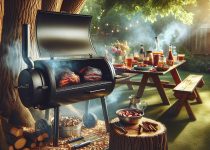
If you’re a fan of slow-cooked, tender meats, a smoker might be worth considering. Smokers use low temperatures and indirect heat to infuse the meat with delicious flavors. They come in various sizes and styles, from traditional offset smokers to electric smokers for easy temperature control.
Another important factor to consider is the size of the cooking equipment. Make sure it fits your outdoor space and can accommodate the amount of food you plan on cooking. Additionally, think about portability if you enjoy camping or tailgating.
Safe Grilling Techniques
To ensure safe grilling, it’s important to focus on temperature control and proper handling of meat.
You need to understand the importance of maintaining the right temperature to prevent undercooked or overcooked food.
Additionally, practicing proper handling techniques, such as using separate utensils for raw and cooked meat, can help prevent cross-contamination and the risk of foodborne illnesses.
Temperature Control Importance
For safe grilling techniques, it’s crucial that you maintain proper temperature control throughout the cooking process. Temperature control plays a significant role in ensuring the safety of your food and preventing the growth of harmful bacteria.
When grilling, it’s important to preheat the grill to the appropriate temperature before placing your food on the grate. This helps to kill any bacteria present on the surface of the grill.
Throughout the cooking process, you should also monitor the internal temperature of the food using a meat thermometer. This will ensure that your food reaches the proper temperature to kill any harmful bacteria.
Proper Handling of Meat
To ensure safe grilling techniques, it’s important that you handle meat properly at all times.
One of the key steps in proper meat handling is ensuring that it’s stored at the right temperature. Before grilling, make sure to keep the meat refrigerated below 40°F (4°C) to prevent the growth of harmful bacteria.
When handling raw meat, always wash your hands with soap and water before and after touching it. This will help to avoid cross-contamination and the spread of bacteria.
Additionally, use separate cutting boards and utensils for raw meat and other ingredients to prevent the transfer of harmful pathogens.
Lastly, make sure to cook the meat thoroughly, reaching the recommended internal temperature to kill any bacteria.
Understanding Fire Safety Precautions
Ensure your safety by understanding fire safety precautions when cooking outdoors. When dealing with open flames, it’s crucial to follow these guidelines:
-
Keep a fire extinguisher nearby: Having a fire extinguisher readily available can be a lifesaver in case of emergencies. Familiarize yourself with its proper usage to ensure you can act quickly and effectively.
-
Create a safe cooking area: Clear the surrounding area of any flammable materials, such as dry leaves or branches. Maintain a safe distance between the cooking area and other objects, such as tents or trees.
-
Never leave the fire unattended: Stay vigilant and never leave a fire unattended. Even a small flame can quickly escalate into a dangerous situation if left unsupervised. Always assign someone to watch over the fire while cooking.
-
Practice proper extinguishing techniques: When you’re done cooking, make sure to properly extinguish the fire. Pour water over the flames, stir the ashes to ensure there are no remaining embers, and then douse with more water.
By adhering to these fire safety precautions, you can enjoy your outdoor cooking experience without compromising your safety.
Avoiding Cross-Contamination
Now let’s talk about the importance of avoiding cross-contamination when cooking outdoors.
Cross-contamination occurs when bacteria from raw foods, such as meat and poultry, come into contact with ready-to-eat foods, utensils, or surfaces.
To prevent foodborne illnesses, make sure to practice good hygiene essentials for grilling, such as washing your hands thoroughly before and after handling raw foods, using separate cutting boards and utensils for different types of food, and keeping raw and cooked foods separate to avoid any potential contamination.
Hygiene Essentials for Grilling
When grilling outdoors, it’s important to be mindful of hygiene to prevent cross-contamination. Here are some hygiene essentials to keep in mind:
-
Clean and separate: Start by washing your hands thoroughly with soap and water before handling any food. Make sure to clean all utensils, cutting boards, and surfaces that come into contact with raw meat to avoid spreading bacteria.
-
Keep it cool: Store raw meat, poultry, and seafood in separate containers in the refrigerator until you’re ready to grill. This helps prevent the growth of bacteria.
-
Avoid cross-contamination: Use separate plates and utensils for raw and cooked foods to prevent the transfer of harmful bacteria. Don’t use the same marinade or sauce that has come into contact with raw meat on cooked food.
-
Cook to the right temperature: Use a food thermometer to ensure that your grilled meats reach the proper internal temperature to kill any bacteria. This will help ensure that your food is safe to eat.
Preventing Foodborne Illnesses
To prevent foodborne illnesses, you must take precautions to avoid cross-contamination when grilling outdoors. Cross-contamination occurs when bacteria from raw food comes into contact with ready-to-eat food or surfaces, leading to the spread of harmful pathogens. Follow these simple steps to ensure your outdoor cooking is safe and hygienic:
| Precautions | Description | Example |
|---|---|---|
| Separate raw and cooked food | Keep raw meat, poultry, and seafood away from ready-to-eat food to prevent bacteria transfer. | Use separate cutting boards and utensils for raw and cooked food. |
| Store food properly | Keep perishable food in a cooler with ice to maintain a safe temperature and prevent bacterial growth. | Keep raw meat and poultry wrapped and separate from other food inside the cooler. |
| Clean and sanitize surfaces | Regularly clean and sanitize grilling surfaces, utensils, and hands to eliminate bacteria. | Use hot, soapy water to clean all cooking utensils and surfaces before and after use. |
| Practice proper hand hygiene | Wash your hands thoroughly with soap and water for at least 20 seconds before and after handling food. | Use hand sanitizer if soap and water are not available. |
Ensuring Safe Food Storage and Clean-up
For safe food storage and clean-up during outdoor cooking, remember to properly store and dispose of food using airtight containers and designated waste bins. Here are some essential tips to ensure your outdoor cooking experience remains safe and enjoyable:
-
Use airtight containers: Seal your leftover food in airtight containers to prevent bacteria growth and maintain its freshness. This will also protect your food from insects and other outdoor pests.
-
Keep raw and cooked food separate: Avoid cross-contamination by storing raw and cooked food separately. Use separate containers or wrap them in plastic bags to prevent any juices from raw meat or poultry from contaminating other food items.
-
Label and date your food: To keep track of the freshness of your stored food, label and date each container. This will help you identify when it was prepared and when it needs to be consumed or discarded.
-
Dispose of waste properly: Use designated waste bins for food scraps, packaging, and other waste generated during outdoor cooking. This will help maintain cleanliness and prevent the spread of pests and diseases.
Frequently Asked Questions
Can I Use the Same Cutting Board for Raw Meats and Vegetables?
Yes, you can use the same cutting board for raw meats and vegetables, but make sure to thoroughly clean it between uses to prevent cross-contamination.
How Long Can I Leave Cooked Food Out Before It Becomes Unsafe to Eat?
You should not leave cooked food out for more than two hours. After that, bacteria can multiply rapidly and make the food unsafe to eat. It’s important to refrigerate leftovers promptly to prevent foodborne illness.
Is It Safe to Use Aluminum Foil When Grilling?
Yes, it is safe to use aluminum foil when grilling. It helps to distribute heat evenly and prevents food from sticking to the grill. Just make sure to handle it carefully to avoid burns.
What Is the Recommended Temperature for Cooking Chicken on a Grill?
The recommended temperature for cooking chicken on a grill is 165°F. Make sure to use a meat thermometer to ensure it reaches the proper temperature for safe consumption.
How Often Should I Clean My Grill to Ensure Safe Cooking?
To ensure safe cooking, clean your grill regularly. It’s important to remove any grease or residue buildup that can cause flare-ups or contamination. Follow the manufacturer’s instructions for the recommended cleaning frequency.

How Do I Adjust Color Schemes on Outdoor Decks?
10 Steps to Perfectly Smoke Multiple Pork Shoulders in Your Backyard

Creating Your Dream Backyard: DIY Outdoor Projects
About Author
