
Reviewing 9 Effective Charcoal Grill Barbecue Techniques
Are you ready to take your barbecue skills to the next level?
In this article, we’ll review nine effective techniques for grilling with charcoal. Whether you’re a seasoned grill master or a beginner, these tips will help you achieve mouthwatering results.
From direct and indirect heat grilling to perfecting those coveted grill marks, you’ll learn all the tricks of the trade.
So grab your apron and get ready to impress your friends and family with your newfound barbecue prowess.
Key Takeaways
- Direct heat grilling involves cooking meats and vegetables directly over the heat source for grill marks and a sear.
- Indirect heat grilling is ideal for slow and even cooking, especially for larger cuts of meat.
- Two-zone grilling allows for cooking a variety of foods at different temperatures, with indirect grilling in the cooler zone.
- Techniques such as reverse searing, smoking with charcoal, and using marinades and wood chips can enhance flavor and tenderness.
Direct Heat Grilling
To achieve perfect grill marks and a delicious sear on your meats and vegetables, you need to grill them directly over the heat source. This technique, known as direct heat grilling, allows for quick and intense cooking, resulting in a flavorful and juicy end product.
However, in order to ensure successful direct heat grilling, proper grill maintenance is essential.
Before firing up your charcoal grill, it’s crucial to clean the grates thoroughly. Use a wire brush to remove any leftover food debris or charred residue from previous grilling sessions. This won’t only prevent any unwanted flavors from transferring to your food but also promote even heat distribution.
Once your grill is clean, it’s time to light the charcoal. There are different methods you can use, such as using a chimney starter or lighter fluid. Whichever method you choose, make sure to follow the manufacturer’s instructions and practice proper safety precautions.
When the charcoal is ready, spread it evenly across the bottom of the grill, creating a single layer. This will allow for consistent heat distribution and prevent hot spots. Now, it’s time to start grilling!
Place your meats and vegetables directly on the hot grates, making sure they’re in direct contact with the heat source. Keep a close eye on them, as direct heat grilling can be quite intense and may require frequent flipping to prevent burning. Remember to use a meat thermometer to ensure your meats are cooked to the desired internal temperature.
Indirect Heat Grilling
Indirect heat grilling is a technique that offers many benefits. By placing the food away from the direct flame, you can cook it slowly and evenly, resulting in tender and flavorful dishes.
To achieve perfect results, make sure to follow these tips and master the art of indirect grilling.
Benefits of Indirect Grilling
You can experience numerous benefits when using the technique of indirect grilling for your charcoal barbecue.
One of the main benefits is that it allows for more even cooking. With indirect grilling, the heat isn’t directly under the food, but instead, it surrounds it. This results in a more consistent temperature throughout, reducing the risk of overcooking or unevenly cooked food.
Additionally, indirect grilling is great for cooking larger cuts of meat, such as whole chickens or roasts, as it helps to retain moisture and tenderness.
Another benefit is that it allows for longer cooking times without the risk of burning the food. This is especially beneficial for tougher cuts of meat that require slow cooking to become tender.
Tips for Perfect Results
When using the technique of indirect grilling, it’s important to follow these tips for perfect results.
Proper grill maintenance is key. Before each use, clean your grill grates thoroughly to remove any leftover food debris or grease. This will prevent any unwanted flavors from transferring to your food. Additionally, regularly inspect and clean the inside of your grill, removing any ash or residue that may have accumulated.
Next, make sure to preheat your grill before placing your food on it. This ensures even cooking and prevents sticking.
Finally, when using indirect heat, it’s crucial to position your charcoal or heat source on one side of the grill and place your food on the opposite side. This allows for indirect cooking and prevents burning.
Two-Zone Grilling
To achieve optimal cooking results, start by setting up your charcoal grill for two-zone grilling. This technique involves creating two separate heat zones on your grill: one direct heat zone for searing and one indirect heat zone for slow cooking. Here are four reasons why two-zone grilling is beneficial:
-
Versatility: With two-zone grilling, you have the flexibility to cook a variety of foods at different temperatures. You can sear steaks over high heat on one side while slow roasting a chicken on the other.
-
Even Cooking: Indirect grilling in the cooler zone allows for more even cooking. This is especially important for larger cuts of meat that require longer cooking times.
-
Reduced Flare-Ups: By keeping the food away from direct flames, two-zone grilling helps to minimize flare-ups and prevent charring or burning.
-
Controlled Cooking: The ability to control the heat in different areas of the grill gives you better control over the cooking process. You can adjust the heat by moving the food closer to or further away from the coals.
Mastering the art of two-zone grilling won’t only enhance the flavor and texture of your grilled dishes but also give you greater control over the cooking process. So, next time you fire up your charcoal grill, remember to set it up for two-zone grilling and enjoy the benefits of indirect grilling.
Reverse Searing
When it comes to reverse searing, understanding optimal cooking temperatures is key. By starting with low heat and gradually increasing it, you can achieve a perfectly cooked piece of meat with a flavorful crust.
This technique also enhances the flavor profile of the meat, giving it a rich and smoky taste that can’t be achieved through traditional grilling methods.
Optimal Cooking Temperatures
Achieve perfect results by maintaining optimal cooking temperatures when reverse searing on your charcoal grill. To ensure your reverse sear technique is successful, follow these optimal cooking temperature tips:
-
Preheat your charcoal grill to a consistent temperature of 225°F to 250°F.
-
Use a reliable meat thermometer to monitor the internal temperature of your food.
-
For thick cuts of meat, such as steaks or roasts, start with indirect heat and cook at a lower temperature for a longer time.
-
Once your meat reaches about 10°F below your desired doneness, sear it over direct heat for a few minutes on each side to create a flavorful crust.
Enhanced Flavor Profile
By maintaining consistent heat and following the optimal cooking temperature techniques, you can enhance the flavor profile of your food through the reverse searing method on your charcoal grill.
This technique involves cooking the food at a lower indirect heat before finishing it off with a high direct heat sear. The reverse searing method not only ensures a perfectly cooked interior but also adds a delicious smoky aroma to your food.
To achieve this, start by setting up a two-zone fire on your charcoal grill, with the coals on one side and an empty space on the other. Place your food on the cooler side and let it slowly cook until it reaches the desired internal temperature.
Then, move it to the hot side of the grill to sear and create a beautiful crust.
Smoking With Charcoal
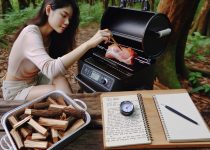
To smoke with charcoal, you’ll want to master the art of controlling the temperature and using the right amount of wood chips. Here are four essential tips to help you achieve delicious smoked flavors using your charcoal grill:
-
Indirect heat: Set up your charcoal grill for indirect cooking by placing the hot charcoal on one side of the grill and the food on the other. This allows for slower cooking and smoking without direct exposure to the flames.
-
Low and slow: Smoking is all about low temperatures and slow cooking. Aim for a temperature range between 200-250°F (93-121°C) to ensure tender and flavorful results. Use a reliable thermometer to monitor the heat inside the grill.
-
Soak your wood chips: Soaking your wood chips in water for about 30 minutes before use can help create more smoke and prevent them from burning too quickly. Place the soaked chips directly on the charcoal for maximum smoke production.
-
Adding charcoal and wood: To maintain a consistent temperature and smoke production, you’ll need to add charcoal and wood chips periodically. Arrange the coals evenly on the grill and add a handful of soaked wood chips every 45 minutes to an hour.
Marinades and Rubs
Now, let’s explore how marinades and rubs can enhance the flavor of your smoked dishes on the charcoal grill.
Marinades are a great way to infuse your meat with flavor and tenderize it at the same time. There are various marinade techniques you can try, such as using acidic ingredients like lemon juice or vinegar to break down tougher cuts of meat. You can also experiment with different combinations of herbs, spices, oils, and liquids like soy sauce or Worcestershire sauce to create unique flavor profiles.
When it comes to rubs, they’re a dry mixture of herbs, spices, and seasonings that are applied directly onto the meat before grilling. Rubs can add a crusty texture and a burst of flavor to your dishes. They’re easy to make at home with simple ingredients like salt, pepper, garlic powder, paprika, and cayenne pepper. You can also customize rub recipes to suit your taste preferences by adding other spices like cumin, coriander, or chili powder.
Whether you choose to use marinades or rubs, make sure to let your meat marinate or rest with the rub for at least a few hours, or even overnight, to allow the flavors to penetrate the meat. This will result in a more flavorful and tender final product when you grill it on the charcoal grill.
Using Wood Chips for Flavor
Enhance the flavor of your grilled dishes on the charcoal grill by using wood chips for added smokiness and depth. Here are four tips to help you get the most out of your wood chips:
-
Choose the right wood chip varieties: Different types of wood chips can impart distinct flavors to your grilled food. Hickory chips add a strong, smoky taste, while applewood chips offer a slightly sweet and fruity aroma. Experiment with different varieties to find your favorite flavor combinations.
-
Soak your wood chips: Soaking wood chips in water before using them on the grill can help prevent them from burning too quickly and producing harsh, bitter smoke. Soak the chips for at least 30 minutes, then drain them before placing them on the charcoal.
-
Use a smoker box or aluminum foil pouch: To keep your wood chips contained and prevent them from catching fire, consider using a smoker box or creating an aluminum foil pouch. These methods allow the chips to smolder and release their smoky flavors slowly, resulting in a more controlled and balanced taste.
-
Experiment with placement: You can place your soaked wood chips directly on top of the hot charcoal or in a dedicated smoker box. You can also try placing them on a sheet of aluminum foil before folding it into a pouch and poking a few holes in it. Experiment with different placements to find the method that works best for you.
The Art of Basting
How can you master the art of basting on your charcoal grill? Basting is a crucial technique that adds flavor, moisture, and tenderness to your grilled meats. Understanding the science of basting and employing the right basting techniques can take your barbecue skills to the next level.
Basting involves applying a liquid mixture to your meat while it cooks on the grill. This liquid can be a marinade, sauce, or a combination of both. The purpose of basting is twofold: it adds moisture to prevent the meat from drying out, and it enhances the flavor by infusing the meat with the delicious flavors of the basting mixture.
To help you master the art of basting, here are three key techniques:
| Technique | Description | Tips |
|---|---|---|
| Brushing | Use a brush to evenly coat the meat with the basting mixture. | Use a silicone brush for easy application and cleanup. |
| Spritzing | Use a spray bottle to mist the meat with the basting mixture. | Adjust the nozzle for a fine mist to ensure even coverage. |
| Injecting | Use a marinade injector to inject the basting mixture directly into the meat. | Inject in multiple spots for maximum flavor distribution. |
Perfecting the Grill Marks
To perfect the grill marks on your meats, you can employ a few simple techniques. Here are four tips to help you achieve those beautiful, Instagram-worthy grill marks:
-
Preheat your grill: Before you even think about cooking your meats, make sure your grill is properly preheated. This ensures that the grates are hot enough to create those distinct grill marks.
-
Clean and oil your grates: Grill maintenance is crucial for achieving perfect grill marks. Before each use, clean your grates thoroughly to remove any leftover residue. Then, lightly oil the grates to prevent sticking and promote even cooking.
-
Opt for the right charcoal: Charcoal selection plays a significant role in achieving those desired grill marks. Choose high-quality charcoal that burns evenly and produces consistent heat. This will help create the ideal environment for creating those beautiful marks.
-
Use the right technique: To achieve perfect grill marks, make sure to use the right grilling technique. Start by placing your meat diagonally on the grates, allowing the bars to sear the meat and create those classic crosshatch marks. After a few minutes, rotate the meat 90 degrees to achieve a crisscross pattern.
Frequently Asked Questions
How Long Should I Let the Charcoal Burn Before Starting to Grill?
To achieve the perfect char and ensure grill safety, let the charcoal burn for about 20-30 minutes before starting to grill. This allows for even heat distribution and reduces the risk of food being undercooked.
Can I Use Lighter Fluid to Start the Charcoal?
Yes, you can use lighter fluid to start the charcoal, but there are alternative ways to start it without lighter fluid. These include using a chimney starter, newspaper, or fire starters.
What Is the Best Type of Charcoal to Use for Grilling?
The best type of charcoal for grilling depends on your flavor preference. Lump charcoal provides a more natural taste but burns faster. Briquettes burn longer and give a consistent heat, but may have additives. Choose what suits your grilling style.
How Often Should I Replace the Charcoal During a Grilling Session?
During a grilling session, you should replace the charcoal as needed to maintain the temperature of your grill. This will ensure that you achieve the perfect charcoal flavor on your grilled food.
Can I Use a Charcoal Grill for Cooking Vegetables and Seafood, or Is It Better Suited for Meat?
You can definitely use a charcoal grill for cooking vegetables and seafood. Here are some tips and tricks for grilling vegetables and seafood on a charcoal grill. Enjoy delicious vegetarian options on your grill!

How Long Do You Cook a Standing Rib Roast on a Rotisserie

Smoker Vent Open Or Closed? A Guide To Proper Ventilation And Airflow
10 Essential Tips for Overcoming the Stall When Smoking Pork Butt Outdoors
About Author

Rohan C.
Rohan wants to build his own dream backyard to get away from their busy home life. And he also helps bring design to life and build it for his customers using high quality products and building techniques. Rohan has provided many colorful ideas including a water fountain, gazebo, pergola, BBQ area, splash pad, sandbox, and decking with a built-in barbecue.