
Outdoor Kitchen Mastery: 10 Steps to Perfect Guinness Gravy Shepherd's Pie
Start by picking quality lamb and fresh veggies. Chop the meat into small pieces, ensuring a good fat ratio for flavor. Use a mix of thyme, rosemary, and smoked paprika to season. Brown the meat in a skillet, then craft your Guinness gravy with a roux base, adding stout and beef stock for depth. Boil and mash potatoes with butter for a creamy topping. Layer your meat and vegetables in a baking dish, cover with mashed potatoes, and bake until golden. Serve hot for the perfect flavor fusion. Curious about perfecting each step? There are some top tips just ahead that can help.
Key Takeaways
- Select grass-fed lamb and fresh vegetables for the highest quality and flavor.
- Brown lamb meat thoroughly in a skillet to deepen flavor.
- Create a rich Guinness gravy using a roux base and Guinness Extra Stout.
- Layer cooked vegetables and lamb evenly in a deep dish, topped with fluffy mashed potatoes.
- Bake at 375°F until the potato topping is golden and the filling is bubbly.
Choosing Your Ingredients
Start by selecting quality meats and fresh veggies for your Shepherd's Pie. When you're ingredient sourcing, aim for the best your budget allows. Local markets are your go-to for the freshest produce. Grab carrots, peas, and onions that look vibrant and firm.
If you're going for authenticity in flavor, choose grass-fed lamb. However, if you prefer beef or want a leaner option, that's totally fine too.
Now, let's talk dietary substitutions because not everyone's diet is the same. If you're cooking for someone who's gluten-sensitive, swap out traditional flour used in thickening your gravy for a gluten-free alternative like cornstarch or a rice flour blend.
Vegetarian or vegan? No problem. Replace the meat with lentils or a meat substitute like textured vegetable protein. They both mimic the texture of ground meat and soak up flavors beautifully.
Preparing the Meat
Once you've got your meat picked out, it's time to get it ready for the pie. Meat sourcing is important here; you want quality, sustainably sourced meat. Whether it's beef or lamb, the fat content is key to a juicy, flavorful pie. For the best results, you're looking for a good balance of meat to fat. Typically, a ratio of 80/20 provides enough fat to keep things moist without being greasy.
Now, let's talk about prepping the meat. You'll want to start by chopping your meat into small, even pieces. This ensures that every bite is tender and cooks evenly. Don't rush this step—take your time to get those pieces just right.
Here's a quick breakdown in a table format for clarity:
| Step | Detail |
|---|---|
| Chop | Cut meat into small, even pieces |
| Verify | Check 80/20 meat-to-fat ratio |
| Clean | Trim any excess fat, if needed |
| Confirm | Quality of meat sourcing |
Seasoning Techniques
Now that your meat is prepped, let's get it seasoned up just right.
The key to a killer shepherd's pie lies in your herb selection and spice blends. You're not just throwing salt and pepper in there; you're crafting a flavor profile that'll knock socks off.
First up, let's talk herbs. Thyme and rosemary are your go-tos for a traditional touch. These aren't just for aroma; they infuse your meat with subtle, earthy flavors that complement the richness of the Guinness gravy. Finely chop these herbs to maximize their distribution throughout the meat.
Next, your spice blends. This isn't about heat; it's about depth. A pinch of smoked paprika can add a whisper of smokiness that pairs beautifully with the robust beer notes. Consider a touch of garlic powder and onion powder too—these will build a solid foundation of flavor that'll carry through every bite.
Mix your herbs and spices in a small bowl before evenly sprinkling them over your meat. This guarantees every chunk gets its fair share of seasoning.
Cooking the Meat
Heat your skillet over medium-high and brown the seasoned meat until it's cooked through and crumbly.
Now, let's chat about meat sourcing and fat trimming, two critical steps that can make or break your dish. Going for quality meat is essential; aim for well-sourced beef or lamb that's fresh and sustainably raised if possible. This not only supports ethical farming but also gives you meat with better flavor and texture.
Next up, fat trimming. Don't skip this! Trimming excess fat before cooking helps manage the grease level in your final dish. Too much fat and your pie might end up greasy; too little, and it could lose richness. Find a balance where there's just enough fat to carry the flavors and keep the meat juicy without overpowering the dish.
As you cook, keep stirring the meat to ensure it browns evenly and doesn't burn. This is your foundation, so give it all the attention it deserves. Each piece should get some color, as browning adds depth to the flavor profile.
Making Guinness Gravy
Now, let's get into making that rich Guinness gravy.
First off, you'll need to pick the right Guinness; not all types will give you that deep flavor you're after.
Then, it's all about mastering the roux base and tweaking the seasoning to get everything tasting just right.
Selecting the Right Guinness
While selecting your Guinness, opt for the Extra Stout version to enrich the flavor of your gravy. This variant, known for its bold, deep flavor, complements the robust nature of the gravy better than lighter options.
It's important to understand the different Guinness variants available, as each brings a unique depth to your dishes. The Extra Stout's roasted barley and slightly bitter hops will provide a complex base for your gravy, enhancing the overall taste of your Shepherd's Pie.
When it comes to storage tips, keep your Guinness at a cool, stable temperature away from direct sunlight. This preserves its flavor integrity until you're ready to use it.
If you've bought it in cans, make sure they're not dented or damaged, as this can affect the beer's quality.
Cooking Perfect Roux Base
To make a perfect roux base for your Guinness gravy, start by melting butter in a skillet over medium heat. Once it's melted and bubbly, sprinkle in an equal amount of flour. Here's where your mastery kicks in: you're aiming for a smooth, essential base. Keep your whisk handy and start stirring quickly. The key is to let the flour cook without burning; you're looking for a golden-brown color, which usually takes about 2-3 minutes.
Now, let's talk roux variations. Depending on how thick you want your gravy, you can adjust the flour amount slightly. A bit more flour results in a thicker consistency, perfect if you're aiming for a hearty topping. Less flour keeps it slightly thinner, ideal for drizzling.
Remember, continuous whisking is vital. This isn't the time to walk away! Keep that whisk moving to secure your roux doesn't catch and burn. It's all about that smooth, velvety texture that'll carry the rich flavors of your Guinness beautifully.
Mastering this step sets the foundation for an unforgettable gravy. So take your time, perfect your technique, and get ready to impress with your culinary skills.
Balancing Flavors in Gravy
After perfecting your roux, it's time to focus on blending the rich flavors into your Guinness gravy. Start by slowly adding beef stock to the roux, whisking constantly to make sure the gravy consistency remains smooth and lump-free.
Next, pour in the Guinness stout; its malty depth is what gives this gravy its signature bold taste. Let the mixture simmer gently so the flavors can meld together.
Now, onto the essential part: taste adjustment. This isn't just about salting to taste. You need to take into account the balance of flavors. Is the gravy too bitter? A pinch of brown sugar can soften that edge. Too flat? A splash of Worcestershire sauce will add complexity.
Remember, you're aiming for a rich, umami-packed gravy that complements the savory filling of your shepherd's pie.
Keep tasting and tweaking as it cooks. Adjustments should be made gradually; you can always add more, but you can't take it out. Once you're satisfied with the taste, let the gravy thicken to the right consistency.
If it's too thin, let it reduce a bit more. If too thick, thin out with a bit more stock. Achieving the perfect Guinness gravy is all about patience and precision.
Preparing Vegetables
Alright, let's get those veggies ready!
First up, you'll want to pick the freshest veggies you can find—they'll make all the difference.
Then, we'll go over some simple chopping tricks to speed things up without sacrificing your fingers, and finally, nail down the perfect cooking times to keep everything nice and tasty.
Selecting Fresh Vegetables
You'll want to start by picking the freshest veggies for your shepherd's pie. It's not just about flavor; fresh vegetables pack the most nutrients. When you're at the store or farmers' market, look for vibrant colors and firm textures. Wilted, bruised, or soft spots? Pass them by.
Now, let's talk organic vs. non-organic. If you're aiming for the highest quality, organic is the way to go. These veggies are grown without synthetic pesticides or fertilizers, often resulting in better flavor and a cleaner environmental footprint. Plus, they're better for your body's long-term health. However, if budget's an issue, remember that a well-washed, non-organic vegetable is better than no vegetable at all!
Once you've got your veggies, proper storage is essential to maintain freshness until you're ready to cook. Keep root veggies like carrots and potatoes in a cool, dark place. Leafy greens do best wrapped loosely in a damp paper towel and stored in the fridge's crisper drawer. If you prep them right after shopping, they'll stay crisp and tasty, ready for your pie whenever you are.
Stick with these basics, and you'll be all set for a delicious, nutritious dish.
Chopping Techniques Simplified
Now that you've chosen your fresh veggies, let's explore some easy chopping techniques to get them pie-ready.
First thing's first—knife maintenance is key. Guarantee your knives are sharp; a dull knife is a safety hazard, forcing you to use more pressure and increasing the risk of slipping. Speaking of safety, always keep your fingertips curled under in a claw-like position to avoid nicks.
Here's a quick guide to visualize your chopping prowess:
- Carrots: Peel them first. For even cooking, slice into uniform rounds or dice into small cubes.
- Onions: Slice off the ends and halve them. Peel, then make several vertical slices before chopping horizontally for a fine dice.
- Potatoes: Wash thoroughly. Cut into halves, then slice each half into quarters before dicing. Keep them in water if you're not using them immediately to prevent browning.
- Peas: No chopping needed here, but a quick inspection for any spoiled ones is wise.
- Celery: Trim the ends, then slice down the middle. Chop into small pieces for a subtle crunch.
Vegetable Cooking Times
Let's explore the cooking times for your chopped veggies to make sure they're perfectly tender for the pie. When you're aiming for ideal freshness and flavor, the method you choose to cook your vegetables can make a huge difference.
You've got two main routes here: steaming or sautéing. Steaming is fantastic for preserving the veggies' natural flavors and nutrients without adding extra fat. It's pretty straightforward—just pop them in a steamer basket over boiling water. Carrots and potatoes usually take about 10-15 minutes to become fork-tender, while peas and corn are quicker, needing around 5 minutes.
On the other hand, if you're sautéing, you'll get a bit more richness in flavor, especially if you use a dash of oil and some seasonings. This method involves cooking your veggies directly in a pan over medium heat. It generally speeds things up; carrots and potatoes will soften in about 8-10 minutes, peas and corn in just 2-3 minutes.
Assembling the Layers
Once your filling's simmered and thickened, start layering it in a deep baking dish. Your layering strategy is important here; it's not just about stacking but also about moisture control to prevent a soggy pie. Spread the meat and vegetable mixture evenly, making sure there are no gaps.
Here's how you'll visualize it:
- Picture the rich, dark Guinness gravy coating the tender chunks of beef and soft veggies.
- See the steam rising gently as the hot filling hits the cool surface of your baking dish.
- Imagine the even spread of the filling, like a lush, flavorful foundation.
- Envision small pockets of gravy bubbling up slightly, a sign it's perfectly thickened.
- Feel the anticipation of creating something deliciously layered, each component playing its part.
Make sure the filling isn't too wet; if it looks soupy, simmer a bit longer before layering. This will keep the bottom of your pie from becoming soggy and ensure a crisp, well-formed base. Remember, the goal here is a pie that holds its shape when served, showcasing your mastery of this classic dish.
Topping With Mashed Potatoes
Spread your creamy mashed potatoes over the meat and vegetable layer, ensuring an even, thick topping that'll crisp up beautifully in the oven.
You've got to choose the right potato varieties for the job to master this. Russets or Yukon Golds are your best bets because of their high fluffiness factor, which is key for a light, airy topping that doesn't just taste great but also has the perfect texture.
When you're preparing your potatoes, remember it's not just about boiling and mashing. You want to add enough butter and cream to achieve that rich, smooth consistency, but don't go overboard; the potatoes should hold their shape on top of your pie.
After mashing, give them a good whip to introduce a bit more air, enhancing that fluffiness factor even further.
Baking Your Pie
Now that your pie is topped with fluffy mashed potatoes, it's time to bake it until golden and bubbly. You've mastered the prep; let's not falter at the finish line.
Baking is more than just putting your dish in the oven; it demands attention to detail and a bit of know-how, especially with pie crust options and oven temperatures playing a pivotal role. First off, preheat your oven. You're aiming for an oven temperature of 375°F (190°C) — hot enough to crisp the potato topping and bake the pie thoroughly without burning the crust or the edges.
Here's what you should visualize as you bake:
- *Golden peaks of mashed potatoes turning a light, crispy brown.*
- *Edges of the pie crust slightly bubbling with the rich Guinness gravy.*
- *Aromatic steam wafting from the oven as you open it to check on your masterpiece.*
- *The sizzle of the gravy as it heats and thickens under the crust.*
- *The final sheen on the potatoes as you pull the pie out, ready and inviting.*
Rotate your pie halfway through baking to ensure an even golden crust. It's these little moves that transform a good shepherd's pie into a great one. Now, let it work its magic in the oven!
Serving Suggestions
Now that your shepherd's pie is ready, let's discuss how to serve it up right.
You'll want to contemplate what drinks to pair with it.
How much to dish out per person.
And what sides can round out the meal.
It's all about making sure every bite is as enjoyable as possible.
Pairing With Beverages
A perfect pint of Guinness complements your shepherd's pie like no other beverage could. The rich, creamy head and deep, roasted flavors of the stout echo the savory depth of your pie, creating a match made in culinary heaven.
But don't stop there! Here are some other beverage pairings that'll elevate your meal:
- Wine Pairings: Opt for a robust red wine like a Cabernet Sauvignon or a Shiraz. These wines have the body and spice to stand up to the hearty flavors of the pie.
- Cocktail Suggestions: Consider a Bloody Mary with a hint of smoky mezcal to mirror the pie's rich, meaty elements.
- Craft Beer Alternatives: A dark ale or porter also complements the umami flavors without overpowering the dish.
- Non-Alcoholic Options: A rich, black coffee or a deep, earthy tea like pu-erh can match the intensity of the pie.
- Seasonal Cider: A hard cider with autumn spices can add a sweet contrast to the savory pie.
Mix and match these drinks to find your perfect pairing, and you'll turn your shepherd's pie experience from simply satisfying to truly masterful.
Ideal Portion Sizes
After selecting your drink pairing, let's focus on how much shepherd's pie to serve each guest. You've mastered the craft of cooking; now nail the portion size to keep everyone wanting more without overdoing it. A good rule of thumb is about one cup per person—this amount satisfies without overloading the plate.
When you're serving, consider the temperature. Shepherd's pie is best enjoyed hot, right around 160°F. This guarantees the flavors are melded perfectly and the texture is spot on. A digital thermometer can be your best friend here to avoid any guesswork.
Now, let's talk nutritional information. Shepherd's pie, with its rich Guinness gravy and meaty filling, can be quite hearty. Each cup contains significant protein and carbs, providing a fulfilling balance of macronutrients. However, keep in mind that it's also rich in fats, especially if you're generous with the butter in the mashed potatoes.
Complementary Side Dishes
To perfectly round out your meal, consider pairing your shepherd's pie with some light, crisp salads or steamed green vegetables. These choices can provide an invigorating contrast to the rich, savory flavors of the pie, enhancing your overall dining experience.
Here are some top picks to complement your shepherd's pie:
- Arugula and Pear Salad: The peppery bite of arugula mixed with sweet slices of pear and a balsamic glaze offers a sharp, invigorating counterpoint.
- Classic Caesar Salad: Crisp romaine, crunchy croutons, and creamy dressing add a familiar but welcome texture and tang.
- Steamed Asparagus: Lightly seasoned with olive oil, salt, and lemon zest, these make a simple, elegant side.
- Sautéed Green Beans: Tossed with garlic and a sprinkle of flaked almonds, they bring a crunchy, nutty aspect to the meal.
- Warm Baguette Slices: Ideal for sopping up that delicious Guinness gravy; a must-have among your bread options.
These salad pairings and bread options not only elevate your meal but also provide a balanced, fulfilling feast. Remember, the key to a great meal is all about the mix of flavors and textures, so don't hesitate to get creative with your choices!
Frequently Asked Questions
Can I Make This Dish Vegetarian?
Yes, you can make it vegetarian by using meat substitutes like lentils or tofu. Focus on vegetable layering for rich flavors that'll impress anyone seeking mastery in their outdoor cooking skills.
What Are Gluten-Free Alternatives for This Recipe?
For sauce thickening, you'll want to swap flour with gluten-free alternatives like cornstarch, arrowroot, or rice flour. They're great for keeping your gravy smooth without affecting the taste or texture.
Is This Recipe Suitable for Freezing?
Yes, you can freeze this recipe. The texture might change slightly, so it's best to use a gentle thawing method in the fridge overnight to maintain quality. Reheat it slowly to serve.
Can I Use a Different Type of Beer?
Yes, you can switch up the beer, but consider the beer's flavor profile and alcohol content, as they'll affect the taste and cooking process. Experiment to find what best suits your palate!
What Are Dairy-Free Substitutes for Mashed Potatoes?
You can swap dairy in your mashed potatoes with coconut cream or olive oil for a creamy texture. These alternatives keep it light yet flavorful, perfect for enhancing your culinary skills.

How Do U Make a Rotisserie Chicken Using Curry, Paprika, Thyme, Pepper in the Oven

What Upgrades Enhance Patio Door Functionality?
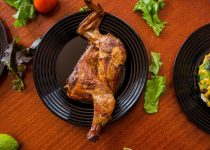
How Lond Do You Cook a Chicken an a Rotissery
About Author

Rohan C.
Rohan wants to build his own dream backyard to get away from their busy home life. And he also helps bring design to life and build it for his customers using high quality products and building techniques. Rohan has provided many colorful ideas including a water fountain, gazebo, pergola, BBQ area, splash pad, sandbox, and decking with a built-in barbecue.