
Mastering the Art of Roasting: Tips for Your Backyard Gatherings
To master the art of roasting for your backyard gatherings, start by selecting quality cuts of meat like beef rump or boneless lamb, focusing on marbling for juiciness. Prepare by trimming excess fat and bringing your meat to room temperature before seasoning it well. Preheat your grill and set up a two-zone cooking area to manage temperatures effectively. Don't forget to use a thermometer to check the meat's doneness and let it rest before slicing. Present your masterpiece on an attractive platter with complementary sauces and artfully arranged sides for added flair. There's so much more to explore next!
Key Takeaways
- Select quality cuts of meat with good marbling for enhanced flavor and juiciness during roasting.
- Preheat your grill for 10-15 minutes and use a two-zone setup for effective cooking.
- Monitor internal temperatures closely, aiming for 145°F for pork and 160°F for beef.
- Allow meat to rest for 10-20 minutes post-cooking to ensure juices redistribute evenly.
- Create an inviting atmosphere with complementary beverages and engaging elements like DIY sauce stations.
Selecting the Right Cut of Meat
When you're selecting the right cut of meat for roasting, it's essential to focus on quality to ensure a flavorful and tender result.
Look for quality cuts of meat like beef rump, boneless lamb legs, and boneless pork legs, which provide robust flavor and tenderness. Pay attention to marbling in meat, as the intramuscular fat enhances juiciness during cooking.
Always opt for fresh, not frozen, meats from reputable suppliers for the best taste. Remember the "Holy Trinity of Meats," balancing meat and fat to maintain even cooking and moisture.
Familiarize yourself with cooking temperatures—145°F for pork and 160°F for beef—to achieve optimal doneness and ensure your juicy meat shines at your backyard gatherings.
Essential Preparation Techniques
To achieve the best results in roasting, start by focusing on essential preparation techniques that set the foundation for a flavorful dish.
Begin by selecting quality cuts of meat, like beef or lamb, ensuring they've good marbling for enhanced flavor. Trim excess fat to minimize flare-ups and pat the meat dry for effective seasoning.
Bring the meat to room temperature before cooking, promoting even cooking and better texture. Season thoroughly with salt and pepper at least an hour prior to roasting, allowing the flavors to penetrate deeply.
Finally, use a meat thermometer to monitor the internal temperature, aiming for 55-60°C for beef and lamb, and 60°C for pork, ensuring proper doneness for your outdoor culinary masterpiece.
Cooking and Temperature Management
After setting the stage with proper preparation, mastering cooking and temperature management is vital to achieving that perfect roast.
Start by preheating your grill for 10-15 minutes to ensure proper searing and flavor development. Use a two-zone grilling setup, allowing for direct cooking over high heat and indirect cooking for even roasting without burning.
Monitor the internal temperature with a meat thermometer, aiming for 55-60°C for beef and lamb, and 60°C for pork. Insert the thermometer into the thickest part, avoiding bones or fat pockets for accurate readings.
After cooking, let the meat rest for 10-20 minutes to promote juice redistribution, enhancing flavor and tenderness before carving.
Proper heat management is key to delicious results!
Serving and Presentation Tips
A stunning presentation can elevate your roasted meats from simple meals to memorable feasts. Start by serving your dish on a large, attractive platter, garnished with fresh herbs or seasonal vegetables for that pop of color.
Use complementary sauces like chimichurri or barbecue to enhance flavor profiles and offer variety to your guests. When carving, cut thicker slices for heartier portions that look visually appealing and satisfying.
Arrange side dishes, such as roasted potatoes or grilled vegetables, artfully around the meat to create a well-balanced presentation.
Finally, incorporate unique serving ware like rustic wooden boards or colorful ceramic dishes to add style and charm to your backyard gathering. These details will impress your guests and make the meal unforgettable.
Frequently Asked Questions
What Is the Best Cut of Meat for a Spit Roast?
For a spit roast, you'll want cuts like whole lamb legs, pork shoulders, or beef ribs. Their fat and connective tissue ensure they stay juicy and flavorful during the slow cooking process. Don't forget to marinate!
What Are Roasting Tips?
When roasting, preheat your grill, set up a two-zone fire, and check the meat's internal temperature regularly. Baste it often, and don't forget to let it rest before slicing for maximum flavor and tenderness.
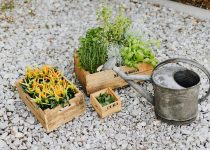
How Do I Contrast Textures With Backyard Stones?

What Is a Good Stain for Cedar Patio Furniture

Can I Mount a TV Safely on a Rustic Deck?
About Author

Rohan C.
Rohan wants to build his own dream backyard to get away from their busy home life. And he also helps bring design to life and build it for his customers using high quality products and building techniques. Rohan has provided many colorful ideas including a water fountain, gazebo, pergola, BBQ area, splash pad, sandbox, and decking with a built-in barbecue.