
Is Outdoor Wicker Furniture Eco-Friendly?
When considering outdoor wicker furniture, you might wonder about its eco-friendliness. Many manufacturers now use sustainable materials and focus on environmentally conscious practices. However, the true impact on the environment isn't just about materials; it also involves durability and end-of-life options. So, how do these factors play into the overall sustainability of your outdoor furnishings? Let's explore the details further.
Key Takeaways
- Many outdoor wicker furniture manufacturers use recycled materials, reducing environmental impact during production.
- Sustainable sourcing of fibers like rattan or bamboo supports eco-friendly practices in wicker furniture.
- Synthetic materials used in wicker furniture are often recyclable, depending on local facilities.
- Durable construction leads to less frequent replacements, minimizing waste over time.
- Regular maintenance and care can prolong the life of wicker furniture, further enhancing its eco-friendliness.
Materials Used in Outdoor Wicker Furniture
When you look at outdoor wicker furniture, you'll often find it's made from a mix of materials designed for durability and comfort. Most commonly, you'll see synthetic resin or polyethylene, which mimics natural wicker while resisting moisture and UV damage. This makes it a popular choice for outdoor settings.
You might also come across aluminum frames, which are lightweight yet sturdy, ensuring that your furniture won't easily tip over. Natural materials like rattan or bamboo are sometimes used but typically treated for weather resistance.
Additionally, some manufacturers focus on eco-friendly practices, using recycled materials or sustainably sourced fibers. Overall, understanding these materials helps you make informed choices about your outdoor space while considering environmental impact.
Durability and Longevity of Wicker Furniture
Although outdoor wicker furniture often faces harsh weather conditions, its durability and longevity make it a wise investment for your patio or garden.
Crafted from resilient materials like synthetic resin or treated natural fibers, this furniture can withstand sun, rain, and wind. You won't have to worry about fading or cracking as much compared to other outdoor options.
Regular maintenance, like cleaning with mild soap and water, can keep it looking great for years. Plus, many wicker pieces come with weather-resistant cushions, ensuring comfort doesn't fade over time.
Recyclability and End-of-Life Options
Even with their impressive durability, you might wonder what happens to outdoor wicker furniture at the end of its life cycle.
While much of this furniture is made from synthetic materials like resin, these can often be recycled, though the process may vary by location.
Check with your local recycling facility to see if they accept these materials. If recycling isn't an option, consider donating or selling your old wicker furniture; someone might still find it useful.
Alternatively, you can repurpose it into garden art or storage solutions.
Ultimately, the key is to think creatively about how to give your furniture a second life instead of sending it straight to the landfill.
Frequently Asked Questions
Is Outdoor Wicker Furniture Safe for Pets and Children?
When considering outdoor wicker furniture, you'll find it generally safe for pets and children. Its materials are often non-toxic, but always check for sharp edges and small parts to ensure a secure environment for everyone.
How Does Outdoor Wicker Furniture Affect Indoor Air Quality?
Outdoor wicker furniture typically doesn't release harmful chemicals indoors, but it's best to check for non-toxic materials. Regular cleaning helps maintain air quality, ensuring your space stays fresh and free from dust and allergens.
Can Outdoor Wicker Furniture Be Repaired if Damaged?
Yes, you can repair outdoor wicker furniture if it's damaged. You'll need to replace broken strands or reweave sections using appropriate materials. With some effort, you'll restore its beauty and extend its lifespan effectively.
What Are the Environmental Impacts of Wicker Furniture Production?
When considering wicker furniture production, you should note that it often involves synthetic materials, which can harm the environment. However, sustainable practices and natural fibers can mitigate these impacts, making your choice more eco-friendly.
How Do I Properly Clean and Maintain Outdoor Wicker Furniture?
To clean and maintain your outdoor wicker furniture, dust regularly, use a mild soap solution for deeper cleaning, and avoid harsh chemicals. Protect it from the elements with covers when not in use to prolong its life.
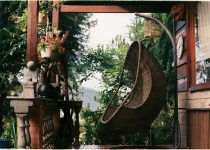
What Outdoor Wicker Sets Fit Modern Homes?

How to Handle Grease Fires on Your Grill Island

Where to Find Patio Furniture South of Boston
About Author

Rohan C.
Rohan wants to build his own dream backyard to get away from their busy home life. And he also helps bring design to life and build it for his customers using high quality products and building techniques. Rohan has provided many colorful ideas including a water fountain, gazebo, pergola, BBQ area, splash pad, sandbox, and decking with a built-in barbecue.