
How Do I Select Stones for Dual-Purpose Backyard Paths?
When selecting stones for dual-purpose backyard paths, you'll want to balance aesthetics with functionality. Think about how the materials will complement your landscape while providing the necessary stability and safety. It's essential to consider factors like durability and maintenance needs as well. As you explore your options, you might find some surprising choices that can enhance both the beauty and practicality of your outdoor space. What will work best for your unique environment?
Key Takeaways
- Assess the intended use of the path to determine durability needs, such as foot traffic and maintenance requirements.
- Choose stones like gravel for easy installation or flagstone for a natural aesthetic that suits both walking and landscaping needs.
- Consider the texture of stones; textured stones offer better traction for safety, especially in wet conditions.
- Select colors and shapes that harmonize with your landscape to enhance visual appeal while maintaining functionality.
- Explore eco-friendly options like recycled materials or locally-sourced stones to reduce environmental impact and promote sustainability.
Understanding the Different Types of Stones
When you're choosing stones for your backyard paths, it's essential to understand the various types available.
You'll encounter options like gravel, flagstone, and cobblestones, each offering unique benefits. Gravel's low cost and easy installation make it a popular choice, while flagstone provides a more natural look with its flat surfaces, perfect for creating a rustic feel. Cobblestones, though more expensive, add elegance and durability to your paths.
You should also consider the stone's texture and color, as they can greatly impact the overall appearance of your landscape.
When selecting, think about your foot traffic and maintenance needs, as some stones require more upkeep than others.
Assessing the Aesthetic Appeal
When choosing stones for your backyard path, think about how their colors will blend with your landscape.
You'll want to consider the textures and shapes as well, since these can add character and interest.
Balancing these elements can really enhance the overall aesthetic of your outdoor space.
Color Harmony Considerations
How do you want your backyard path to feel? The colors of your stones play a crucial role in creating that atmosphere.
When selecting stones, consider how they complement your garden's existing hues. You can achieve a harmonious look by choosing colors that reflect your landscape's tones.
Here are some ideas for color harmony in your path:
- Earthy tones: Blend with natural surroundings for a calming effect.
- Bold colors: Create a vibrant statement that draws attention.
- Cool shades: Use blues and greens for a refreshing vibe.
- Warm hues: Incorporate reds and yellows for a cozy, inviting feel.
Texture and Shape Variations
While selecting stones for your backyard path, consider how texture and shape can enhance the overall aesthetic. Different textures, like smooth river stones or rough granite, create distinct visual effects and sensations underfoot.
Mixing shapes, from angular flagstones to rounded pebbles, adds character and interest, guiding the eye along the path. You might also think about how these variations interact with surrounding plants and features.
For instance, jagged stones can evoke a rugged feel, while rounded ones suggest softness. Don't hesitate to combine materials for a unique look; just ensure they harmonize.
Ultimately, the right textures and shapes will create an inviting, visually appealing pathway that complements your backyard's overall design.
Evaluating Durability and Maintenance
As you select stones for your backyard paths, evaluating their durability and maintenance needs is crucial to ensure they withstand the elements and foot traffic.
Choose stones that not only look good but can also endure wear and tear. Consider factors like climate, exposure to moisture, and usage frequency. Some stones may require sealing or regular cleaning, while others are more resilient.
- Granite: Highly durable and low maintenance
- Limestone: Attractive but may need regular sealing
- Slate: Offers a unique look; check for chipping
- Flagstone: Durable but can require joint maintenance
Considering Texture and Safety
When selecting stones for your backyard paths, it's essential to consider both texture and safety to create a comfortable walking experience. Smooth stones may feel nice underfoot but can be slippery when wet. Conversely, textured stones provide better traction, especially in rain or snow.
Here's a quick comparison of stone types for your paths:
| Stone Type | Texture/Safety Characteristics |
|---|---|
| Flagstone | Flat, textured, good traction |
| Gravel | Loose, may shift but provides drainage |
| Pebbles | Smooth, can be slippery when wet |
| Slate | Textured, offers good grip |
| Pavers | Interlocking, stable and safe |
Choosing the right texture ensures safety while enhancing the aesthetic of your backyard paths.
Exploring Eco-Friendly Options
If you're looking to make your backyard paths more sustainable, exploring eco-friendly stone options can significantly reduce your environmental impact.
Choosing stones that are sourced responsibly or made from recycled materials helps support sustainable practices. Additionally, using permeable stones can promote better drainage and reduce runoff, which is beneficial for local ecosystems.
Here are some eco-friendly options to consider:
- Recycled Concrete: Durable and often available locally.
- Natural Stones: Quarry-sourced with minimal processing and transportation.
- Locally-Sourced Gravel: Reduces carbon footprint from transport.
- Permeable Pavers: Allows water to soak through, preventing erosion.
Planning the Layout and Installation
While planning your backyard path layout, it's essential to consider both functionality and aesthetics. Start by mapping out the desired route; think about how you'll use the path—whether for walking, wheeling a cart, or guiding guests.
Measure the space to ensure the path feels natural and inviting. Next, choose a stone type that complements your landscape and suits your needs, like flat stones for stability or decorative pebbles for a softer touch.
Lay the stones down, leaving enough space between them for grass or flowers. Make sure to level the ground for a smooth surface and secure the stones to prevent shifting.
Finally, step back and assess the overall look, adjusting as necessary to achieve your vision.
Frequently Asked Questions
What Tools Are Necessary for Installing Stone Paths?
You'll need a shovel for digging, a level for even placement, a rubber mallet for settling stones, and a broom for clearing debris. A measuring tape ensures proper spacing, while gloves protect your hands.
Can I Mix Different Stone Types in My Path?
Absolutely, you can mix different stone types in your path! Just ensure they complement each other aesthetically and functionally. Combining textures and colors can create a unique, visually appealing design that enhances your backyard's charm.
How Do I Determine the Right Stone Size for My Path?
To determine the right stone size for your path, consider your foot traffic and aesthetic preferences. Larger stones provide stability, while smaller ones allow for intricate designs. Balance functionality and appearance to create a visually appealing pathway.
Are There Specific Stones Better Suited for Wet Climates?
In wet climates, you'll want stones that drain well and resist slipping. Consider using gravel or coarse stones, as they provide better traction and won't wash away easily. Avoid smooth, slippery stones that can become hazardous.
How Do I Prevent Weeds From Growing Between Stones?
To prevent weeds from growing between stones, you can use landscape fabric underneath, apply a weed barrier, or fill gaps with sand or gravel. Regular maintenance, like pulling out weeds, also helps keep your space tidy.
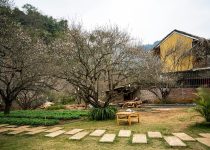
What Stones Work Best for a Backyard Outdoor Path?

When Does Winn Dixie Make Their Rotisserie Chicken

Unveiling Unique BBQ Techniques for Various Meats
About Author

Rohan C.
Rohan wants to build his own dream backyard to get away from their busy home life. And he also helps bring design to life and build it for his customers using high quality products and building techniques. Rohan has provided many colorful ideas including a water fountain, gazebo, pergola, BBQ area, splash pad, sandbox, and decking with a built-in barbecue.