
How Do I Pick Stones for a Seamless Backyard Transition?
When it comes to picking stones for a seamless backyard transition, you'll want to start by evaluating your landscape and home's style. Choosing the right materials isn't just about aesthetics; it's about creating a cohesive flow. Think about how different stones can impact the look and feel of your space. But what elements should you really focus on to ensure everything works together? Let's explore the key factors that will guide your selection process.
Key Takeaways
- Assess your home's architectural style to select stones that complement its aesthetic and enhance visual harmony in the backyard transition.
- Choose stone types that align with your intended use, such as granite for durability or limestone for a warm aesthetic.
- Establish a cohesive color palette with complementary tones that ensure a smooth visual transition between indoor and outdoor spaces.
- Incorporate varied stone sizes and shapes to create visual interest while maintaining a consistent spacing for a unified appearance.
- Prioritize safety by selecting textured stones to prevent slipping and ensuring they are durable enough to withstand weather conditions.
Assessing Your Landscape and Style
When you assess your landscape and style, you'll want to consider how your current outdoor space complements your home and the overall aesthetic you're aiming for.
Look at your existing elements, like plants, hardscapes, and furniture. Think about their colors and textures. Do they create harmony or clash?
Take note of your home's architectural style, too. If you've got a modern house, you might prefer sleek, minimalist stones. On the other hand, a rustic cottage could benefit from natural, weathered stones.
Also, consider functionality—how do you plan to use the space? Whether it's for entertaining, relaxing, or gardening, your stone choice should enhance both the beauty and utility of your yard while reflecting your personal taste.
Understanding Different Types of Stones
As you dive into selecting stones for your backyard transition, it's crucial to understand the various types available, each offering unique characteristics and benefits.
Here are three common types to consider:
- Granite: Known for its durability and resistance to weathering, granite is ideal for high-traffic areas. Its natural beauty adds a sophisticated touch.
- Limestone: Soft and porous, limestone provides a warm, earthy aesthetic. It's easy to shape, making it perfect for custom designs, but be mindful of its susceptibility to stains.
- Slate: With its rich colors and textures, slate creates a stunning visual appeal. It's slip-resistant, perfect for walkways and patios, though it can be more expensive.
Considering Color and Texture
When choosing stones for your backyard transition, color harmony plays a crucial role in creating a cohesive look.
Don't underestimate the importance of texture variation; it adds depth and interest to your space.
Pairing complementary stones can elevate the overall aesthetic, making your outdoor area truly shine.
Color Harmony Essentials
While selecting stones for your backyard transition, considering color and texture is crucial for achieving a cohesive look. You want your stones to blend seamlessly with the existing landscape and structures.
Here are some color harmony essentials to keep in mind:
- Choose a Color Palette: Select two to three complementary colors that resonate with your home's exterior and garden elements.
- Consider Seasonal Changes: Think about how colors will appear in different seasons, ensuring they'll remain appealing year-round.
- Test Samples: Before committing, lay out stone samples in your space to see how they interact with sunlight and surrounding plants.
Texture Variation Importance
Texture variation plays a vital role in creating visual interest and depth in your backyard transition. When you choose stones, think about how different textures can complement each other.
For instance, smooth pebbles can contrast beautifully with rough, jagged rocks, adding layers to your design. This contrast not only draws the eye but also invites exploration.
Additionally, varying textures can help define spaces; a coarse stone path can lead to a smooth patio area, guiding movement through your yard.
Remember to consider how these textures interact with light, as rough surfaces may cast interesting shadows, while smooth ones reflect brightness.
Ultimately, the right mix of textures will enhance your backyard's overall aesthetic, making it inviting and dynamic.
Complementary Stone Pairing
Choosing the right stones for your backyard transition can elevate your design, especially when you focus on complementary pairings of color and texture.
By thoughtfully selecting stones that work well together, you'll create a harmonious look that draws the eye. Here are three tips to achieve stunning complementary pairings:
- Color Harmony: Choose stones with colors that complement each other, like warm browns paired with cooler grays to create balance.
- Texture Contrast: Mix smooth stones with rougher textures to add visual interest and depth to your space.
- Size Variation: Incorporate different-sized stones to enhance your design, allowing for a dynamic and engaging layout.
With these tips, you'll craft a seamless and inviting backyard transition.
Evaluating Size and Shape
When evaluating size and shape for your backyard stones, consider how their proportions will fit within your space.
Ideal shapes can enhance the flow and functionality of your area, so think about what works best for your design.
You want stones that not only look great but also complement the overall layout.
Proportions to Consider
As you plan your backyard transition, proportions play a crucial role in determining the overall aesthetic and functionality of the space.
To create a harmonious look, consider these three key factors:
- Size of Stones: Choose stones that complement the scale of your yard. Larger stones can dominate smaller spaces, while tiny stones might get lost in expansive areas.
- Shape Variation: Incorporate a mix of shapes to add visual interest, but ensure they don't clash. Balanced shapes can unify the design.
- Spacing: Pay attention to how stones are spaced. Consistent gaps can create a streamlined appearance, while irregular spacing adds a more casual feel.
Ideal Shapes for Spaces
While selecting shapes for your backyard stones, it's essential to consider how they'll interact with the overall layout of your space.
Opt for larger, flat stones in open areas to create a sense of flow, while smaller, irregularly shaped stones can add visual interest in tighter spots.
If your yard features curves or unique angles, choose stones that echo those forms, enhancing cohesion.
Think about how the shapes can guide movement; rounded stones work well for pathways, while angular shapes can define borders or create focal points.
Balancing various sizes and shapes won't only enhance aesthetics but also ensure functionality, making your outdoor space both beautiful and practical.
Planning for Functionality and Safety
To ensure your backyard transition is both functional and safe, it's crucial to carefully consider the types of stones you'll use. The right choice not only enhances aesthetics but also prevents accidents.
Here are three key factors to keep in mind:
- Slip Resistance: Choose stones with textured surfaces to reduce the risk of slipping, especially when wet.
- Durability: Opt for materials that can withstand weather conditions, ensuring longevity and safety in your outdoor space.
- Proper Sizing: Use stones that are appropriately sized for your intended pathways or areas; larger stones can create stable surfaces, while smaller ones may shift underfoot.
Budgeting for Your Stone Selection
Setting a budget for your stone selection can make a significant difference in achieving both your design goals and financial comfort.
Start by determining the total amount you're willing to spend. Consider factors like the type of stone, quantity needed, and any installation costs. Research various options, as prices can vary widely depending on the material and supplier.
It's also wise to allocate a portion of your budget for unexpected expenses, like additional materials or labor. Don't forget to factor in long-term maintenance costs, as some stones require more upkeep than others.
Finally, prioritize your must-haves versus nice-to-haves to make informed choices that align with your vision and budget constraints.
Frequently Asked Questions
How Do I Maintain My Stone Surfaces Over Time?
To maintain your stone surfaces over time, regularly clean them with a gentle detergent and water, seal them periodically to protect against stains, and promptly address any cracks or chips to preserve their beauty and integrity.
Can I Mix Different Stone Types in My Design?
Yes, you can mix different stone types in your design. Just consider their colors, textures, and shapes to ensure harmony. Combining stones creatively can enhance your space, adding depth and interest to your overall aesthetic.
What Tools Do I Need for Stone Installation?
To install stones effectively, you'll need a shovel, level, tamping tool, and a rubber mallet. A saw for cutting and a wheelbarrow for transporting materials can make your project smoother and more efficient.
Are There Eco-Friendly Stone Options Available?
Yes, you've got eco-friendly stone options! Look for recycled materials or natural stones sourced sustainably. Local suppliers often carry these choices, helping you create a beautiful space while minimizing your environmental impact.
How Do Weather Conditions Affect Stone Selection?
Weather conditions can significantly impact your stone selection. You'll want to consider freeze-thaw cycles, rain, and heat. Certain stones may crack or fade under harsh conditions, so choose durable options that withstand your local climate.
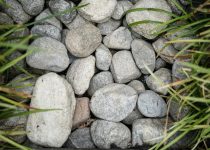
What Stones Are Ideal for a Modern Outdoor Yard?

How Should I Arrange an Outdoor Wicker Lounge?

What Role Do Anchors Play in Canopy Stability?
About Author

Rohan C.
Rohan wants to build his own dream backyard to get away from their busy home life. And he also helps bring design to life and build it for his customers using high quality products and building techniques. Rohan has provided many colorful ideas including a water fountain, gazebo, pergola, BBQ area, splash pad, sandbox, and decking with a built-in barbecue.