
How to Get a Juicy Rotisserie Chicken
If you've ever savored the succulence of a perfectly juicy rotisserie chicken, you know the satisfaction it brings. But achieving that level of juiciness at home can be a bit of a challenge. Fear not, for there are a few key techniques that can elevate your rotisserie game and ensure that your chicken turns out tender and flavorful every time.
From selecting the right bird to mastering the art of seasoning and trussing, we've got you covered. So, let's dive in and uncover the secrets to unlocking the juiciest rotisserie chicken you've ever tasted.
Selecting the Perfect Chicken
When you're at the grocery store looking for the perfect rotisserie chicken, it's important to consider a few key factors.
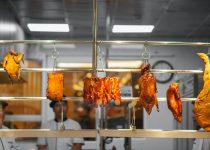
Firstly, check the chicken's preparation. Look for a rotisserie chicken that appears moist and evenly browned. The skin should be crispy, and the meat should look succulent, not dry or overcooked.
Additionally, consider the butcher selection. If possible, opt for a rotisserie chicken from a store with a reputable butcher. A skilled butcher will ensure that the chicken is fresh, properly seasoned, and cooked to perfection. They can also guide you on the best options available and may even offer specific recommendations based on your preferences.
It's worth asking the butcher about the specific preparation and seasonings used on the rotisserie chickens to ensure they align with your tastes.
Brining for Flavor and Moisture
To enhance the flavor and moisture of your rotisserie chicken, consider brining it before cooking. Brining involves soaking the chicken in a saltwater solution, which not only adds flavor but also helps the meat retain moisture during the cooking process.
Here are some key points to consider when brining your rotisserie chicken:
- Brining Techniques for Flavor Infusion: Experiment with different brine ingredients such as salt, sugar, herbs, and spices to infuse your chicken with a burst of flavor. You can also try using apple cider, buttermilk, or beer in your brine for a unique taste profile.
- Moisture Retention in the Brining Process: The brining process allows the chicken to absorb liquid, resulting in a juicier end product. The salt in the brine alters the protein structure in the meat, enabling it to retain more moisture when cooked, leading to a succulent and tender rotisserie chicken.
- Brining Time and Temperature: Be mindful of the brining duration and temperature. Typically, brining for 4-12 hours in the refrigerator is sufficient, but always refer to a reliable recipe to ensure the best results.
Brining your rotisserie chicken can elevate its overall taste and texture, making it a delicious and memorable dish for any occasion.
Seasoning for Maximum Juiciness
For maximum juiciness in your rotisserie chicken, consider using a well-balanced seasoning blend that complements the natural flavors of the meat. Seasoning techniques and flavor infusion play a crucial role in enhancing the succulence of your chicken. When seasoning your chicken, ensure to use a blend that not only adds flavor but also helps retain moisture during the cooking process. Here are some seasoning techniques and flavor infusion ideas to elevate the juiciness of your rotisserie chicken:
| Seasoning Technique | Description | Flavor Infusion |
|---|---|---|
| Dry Rub | A mixture of dry spices and herbs rubbed onto the chicken, forming a flavorful crust. | Deep, intense flavors that penetrate the meat. |
| Marinade | A seasoned liquid in which the chicken is soaked, allowing the flavors to permeate the meat. | Tenderizing and infusing the chicken with complex flavors. |
| Herb Butter | A mixture of herbs and butter rubbed under the chicken skin before cooking. | Infusing the meat with rich, herb-infused moisture. |
Pairing these seasoning techniques with proper cooking methods and temperature control will result in a juicy, flavorful rotisserie chicken that will have everyone coming back for more.
Trussing and Tying for Even Cooking
Now it's time to talk trussing and tying for even cooking.
Trussing your chicken helps it cook evenly by keeping the legs and wings close to the body.
Tying them securely in place ensures that the heat is distributed evenly, resulting in a juicy, perfectly cooked rotisserie chicken every time.
Trussing for Even Cooking
Consider trussing your chicken before roasting to ensure even cooking and a juicy, tender result. Proper trussing helps the chicken cook evenly by compacting the bird, which prevents the extremities from overcooking while the center remains undercooked. Here are a few key points to keep in mind:
- Trussing Technique: Start by tucking the wings underneath the body and then use kitchen twine to tie the legs together, keeping everything snug. This ensures that the chicken retains its shape during the cooking process.
- Even Heat Distribution: Trussing promotes even heat distribution throughout the chicken, allowing the meat to cook uniformly and preventing any parts from drying out before the rest is fully cooked.
- Juicier Meat: Trussing helps the meat retain its natural juices, resulting in a more succulent and flavorful bird.
Mastering the art of trussing will elevate your roasted chicken game to a whole new level.
Tying Legs and Wings
To ensure your rotisserie chicken cooks evenly and stays juicy, it's important to properly tie the legs and wings, a technique known as trussing. Trussing the chicken helps it maintain its shape during cooking, allowing for even heat distribution and preventing the wings and legs from drying out.
Start by tucking the chicken's wings behind its back, then use kitchen twine to tie the legs together, keeping them close to the body. This tying technique not only promotes even cooking but also enhances the presentation of the final dish.
Additionally, trussing can help the chicken retain its moisture, resulting in a juicier and more flavorful bird. Mastering this cooking tip will elevate your rotisserie chicken game and impress your guests with a perfectly cooked, succulent dish.
Setting Up the Rotisserie Grill
Start by assembling the rotisserie grill according to the manufacturer's instructions, ensuring that all parts are securely in place before use.
Once your grill is set up, follow these essential steps to ensure a successful rotisserie cooking experience:
- Rotisserie Maintenance: Before starting, ensure that the rotisserie spit and forks are clean and free from any residue. Regularly inspect and clean the grill grates to prevent flare-ups and ensure even cooking. Additionally, check the motor and ensure it's functioning properly to avoid any interruptions during the cooking process.
- Temperature Control: Proper temperature control is crucial for achieving a juicy and flavorful rotisserie chicken. Preheat your grill to the recommended temperature and monitor it throughout the cooking process. Use a reliable meat thermometer to check the internal temperature of the chicken, ensuring it reaches the safe minimum of 165°F (74°C) for consumption.
- Flavor Infusion: Enhance the flavor of your rotisserie chicken by experimenting with different seasoning blends, marinades, and herbs. Consider using wood chips or chunks to add a subtle smoky flavor to your chicken while it cooks on the rotisserie.
Monitoring and Adjusting Cooking Temperature
Now that your rotisserie grill is assembled and ready, the next crucial step is monitoring and adjusting the cooking temperature to ensure a perfectly juicy rotisserie chicken. Temperature control is key to achieving succulent, flavorful meat.
Start by preheating your grill to the desired temperature, usually around 300-350°F (150-175°C), and then monitor the heat throughout the cooking process. Keep an eye on the built-in thermometer or use an external one to ensure accuracy.
If you find that the temperature is too high, simply adjust the heat by lowering the burner settings or reducing the gas flow. On the other hand, if the temperature is too low, increase the heat by turning up the burner settings or adjusting the gas flow. Remember that small adjustments can make a big difference, so check the temperature regularly, especially if you encounter changing weather conditions.
Consistent heat adjustment is crucial for evenly cooked, tender chicken. By mastering temperature control and heat adjustment, you'll be well on your way to achieving that coveted juicy rotisserie chicken every time.
Resting and Carving for Juicy Results
Now that your rotisserie chicken is perfectly cooked, it's time to let it rest. This step is crucial for allowing the juices to redistribute throughout the meat, ensuring maximum juiciness in every bite.
Once rested, you'll want to carve the chicken using the right techniques to retain as much of that delicious moisture as possible.
Resting Time
Resting and carving your rotisserie chicken is crucial for achieving juicy and flavorful results.
After removing the chicken from the rotisserie, allow it to rest at room temperature for about 10-15 minutes. During this time, the juices redistribute, and the residual heat finishes cooking the meat, resulting in a more tender and succulent texture.
Once the resting period is over, proceed with carving the chicken. Use a sharp knife to carve the chicken against the grain, which helps maintain the meat's tenderness and juiciness. When carving, aim for even slices to ensure that each portion retains its moisture and flavor.
Carving Techniques
After allowing the rotisserie chicken to rest and redistribute its juices, the next step is to master the art of carving to ensure maximum tenderness and juiciness in every slice. Proper knife skills are essential for this task.
To start, place the rested chicken on a stable cutting board. Begin by removing the legs and wings, followed by slicing the breast meat against the grain. This technique helps maintain the chicken's moisture and tenderness.
When presenting the carved chicken, arrange the pieces neatly on a platter for an appealing display. Remember, mastering the art of carving not only affects the presentation but also the overall dining experience.
Additionally, leftover recipes and storage methods are crucial for making the most of your juicy rotisserie chicken.
Juiciness Retention
To achieve maximum juiciness when carving a rotisserie chicken, it's important to allow the chicken to rest and then use proper knife skills to carve it against the grain for the best results.
Here are some tips to help you retain the juiciness of your rotisserie chicken:
- Resting Time: After the chicken is done cooking, let it rest for about 10-15 minutes. This allows the juices to redistribute throughout the meat, resulting in a juicier chicken.
- Carving Technique: When carving, slice the chicken against the grain. This technique shortens the muscle fibers, making the meat more tender and juicy.
- Flavor Infusion: To enhance juiciness, consider flavor infusion techniques such as brining or marinating the chicken before cooking. These cooking techniques help the meat retain moisture and add depth of flavor.
Frequently Asked Questions
Can I Use a Different Type of Poultry, Like Duck or Turkey, for Rotisserie Cooking?
You can definitely try using different poultry like duck or turkey for rotisserie cooking. Just adjust the cooking techniques to accommodate the size and fat content of the bird for juicy, flavorful results.
Is It Necessary to Remove the Giblets and Neck From the Chicken Before Cooking It on a Rotisserie?
You should definitely remove the giblets and neck from the chicken before cooking on a rotisserie. This ensures even cooking and prevents any unpleasant flavors. It's quick and easy, and your chicken will turn out delicious!
How Can I Tell if the Chicken Is Done Cooking if I Don't Have a Meat Thermometer?
You can check if the chicken is cooked by using alternative cooking methods like poking the thickest part and checking for clear juices. Look for visual cues like golden skin and firmness. These methods help ensure your chicken is done.
Can I Use a Marinade or Sauce on the Rotisserie Chicken, and if So, When Should I Apply It?
Yes, you can use a marinade or sauce on rotisserie chicken. Apply it during the last 10-15 minutes of cooking to avoid burning. Experiment with different flavors like lemon-herb, barbecue, or garlic butter for delicious seasoning options.
What Are Some Creative Ways to Use Leftover Rotisserie Chicken in Other Dishes?
Looking to get creative with leftover rotisserie chicken? Try making chicken tacos, pasta salad, or a hearty soup. This versatile poultry can be used in countless recipes to create tasty and satisfying meals.
Where to Find String to Tie up a Chicken for Rotisserie Inthe Store

Can Outdoor TVs Be Controlled Through Mobile Apps?
Can You Make Bone Broth With Rotisserie Chicken
About Author
