
How Do I Design Landscape Lighting for a Multi-Use Yard?
Designing landscape lighting for your multi-use yard can transform the space and enhance its functionality. You'll want to consider how you use the area—whether for entertaining, relaxing, or gardening. By assessing these functions, you can create distinct zones that cater to different activities. But where do you start with the types of lighting? Let's explore the options to get the best results for your yard.
Key Takeaways
- Assess the yard's primary functions like entertaining and gardening to tailor lighting for each activity zone.
- Choose a mix of ambient, accent, and task lighting to create a versatile atmosphere in different areas.
- Implement low-level pathway lights and step lighting to enhance safety and navigation throughout the yard.
- Highlight natural focal points like trees or sculptures with spotlights to draw attention and enhance aesthetics.
- Use dimmers in relaxation areas to adjust brightness, creating a cozy ambiance for gatherings or quiet evenings.
Assessing Your Yard's Functions and Features
Before diving into landscape lighting design, it's crucial to assess your yard's functions and features.
Start by identifying how you use your space—whether for entertaining, gardening, or relaxation. Consider the areas that require illumination, like pathways, patios, or gardens.
Look for natural focal points, such as trees or sculptures, that could benefit from accent lighting. Take note of any hazards, like steps or uneven terrain, that need highlighting for safety.
Also, think about the mood you want to create; a cozy ambiance differs from a bright, functional space.
Choosing the Right Types of Lighting
Selecting the right types of lighting is essential for maximizing the functionality and beauty of your multi-use yard. Start by considering the areas you want to illuminate, like pathways, seating, or gardens.
For pathways, opt for low-level lights or bollard lights to ensure safety without overwhelming the space. If you have seating areas, use soft, ambient lighting to create a cozy atmosphere.
Spotlighting or floodlights can highlight specific features, such as trees or sculptures, adding visual interest. Don't forget about task lighting for functional spaces like outdoor kitchens or work areas.
Finally, consider energy-efficient options like LED lights, which not only save on electricity but also last longer, making them a smart choice for your landscape lighting design.
Creating Zones for Different Activities
As you plan your landscape lighting, creating distinct zones for different activities can enhance both functionality and enjoyment. By identifying areas for relaxation, dining, and play, you can tailor your lighting to suit each space's needs.
| Activity Zone | Lighting Type |
|---|---|
| Relaxation Area | Soft ambient lighting |
| Dining Space | Bright task lighting |
| Play Area | Colorful accent lights |
| Garden Path | Subtle pathway lights |
Consider using dimmers in relaxation zones for a cozy atmosphere, while brighter lights in dining areas ensure safety during meals. By defining these zones, you'll create a welcoming environment that caters to everyone's needs.
Enhancing Safety With Pathway and Step Lighting
Creating distinct zones not only enhances the enjoyment of your yard but also improves safety, particularly when it comes to pathway and step lighting.
To ensure guests navigate your outdoor space safely, install lights along walkways and near steps. Use low-voltage LED fixtures for energy efficiency and longevity. Aim for a consistent brightness to avoid harsh contrasts that could trip someone up.
Position lights about 2 to 3 feet apart, illuminating each step and pathway clearly. Consider using fixtures that are flush with the ground or those that cast a soft glow upwards.
Don't forget to check that your lighting isn't obstructed by plants or furniture. By prioritizing safety, you'll create a welcoming environment for everyone.
Adding Ambiance With Ambient and Accent Lighting
To create an inviting atmosphere in your yard, consider using layered lighting techniques that combine ambient and accent lighting.
This approach not only enhances key focal points but also adds depth and character to your outdoor space.
Layered Lighting Techniques
While you plan your landscape lighting, incorporating layered techniques can transform your multi-use yard into a captivating space.
Start with ambient lighting to create a warm atmosphere, using fixtures that provide a gentle glow throughout the area. This sets the stage for evening gatherings or quiet relaxation.
Next, add accent lighting to highlight specific features, like trees, sculptures, or pathways. This not only draws the eye but also adds depth and interest.
Use a mix of fixtures—like wall-mounted lights, spotlights, and string lights—to achieve a balanced look.
By blending these layers, you'll enhance your yard's functionality, making it inviting for both lively get-togethers and tranquil nights under the stars.
Your space will shine beautifully, day or night.
Key Focal Points
As you consider key focal points in your yard, think about how ambient and accent lighting can elevate the space's overall appeal.
Start by identifying the features you want to highlight, like trees, sculptures, or seating areas. Use ambient lighting to create a warm, inviting atmosphere throughout the space. Softly illuminate pathways and patios with fixtures that provide gentle light, ensuring safety while enhancing comfort.
Next, employ accent lighting to draw attention to specific elements. Spotlights or LED fixtures can beautifully illuminate your favorite tree or a water feature, creating visual interest.
Incorporating Smart Technology for Convenience
Incorporating smart technology into your landscape lighting not only enhances convenience but also elevates the overall ambiance of your outdoor space.
With smart bulbs and fixtures, you can easily control your lighting from your smartphone or tablet. Set schedules for when lights turn on and off, ensuring your yard is always welcoming.
Use motion sensors to automatically illuminate pathways when someone approaches, adding safety and a touch of magic to your evenings.
Consider voice-activated systems that allow you to adjust lighting without lifting a finger. Plus, you can customize colors and brightness for different occasions.
Frequently Asked Questions
How Do I Determine the Best Placement for Landscape Lights?
To determine the best placement for landscape lights, you'll want to assess the area's features, identify focal points, and consider safety. Experiment with different angles and heights to achieve a balanced, inviting illumination.
What Are the Energy-Efficient Lighting Options Available?
You've got plenty of energy-efficient lighting options! Consider LED bulbs, solar-powered lights, or low-voltage systems. These not only reduce your energy bills but also last longer, making them a smart choice for your landscape.
How Can I Maintain My Landscape Lighting System?
To maintain your landscape lighting system, check connections regularly, clean fixtures, and replace burned-out bulbs promptly. Consider scheduling seasonal inspections to ensure everything's working efficiently, so you can enjoy a beautifully lit outdoor space year-round.
Are There Any Local Regulations for Outdoor Lighting?
You should check with your local municipality or zoning office to find out if there are specific regulations governing outdoor lighting. They'll provide guidelines on brightness, placement, and any restrictions you need to consider.
How Do Seasonal Changes Affect Landscape Lighting Design?
Seasonal changes impact your landscape lighting design by altering daylight hours and outdoor usage. You'll want to adjust brightness, placement, and timing to enhance safety and aesthetics throughout different seasons, ensuring functionality year-round.
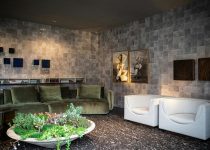
How Do I Integrate Landscape Lighting With Outdoor Furniture?

What Design Tricks Highlight Garden Textures Through Light?

What Outdoor Patterns Work Best for Landscape Lighting?
About Author

Rohan C.
Rohan wants to build his own dream backyard to get away from their busy home life. And he also helps bring design to life and build it for his customers using high quality products and building techniques. Rohan has provided many colorful ideas including a water fountain, gazebo, pergola, BBQ area, splash pad, sandbox, and decking with a built-in barbecue.