
How Do I Create Impact With Minimal Landscape Lighting?
When you're looking to create impact with minimal landscape lighting, it's essential to think strategically about your choices. You don't need a lot of fixtures; instead, focus on how to use them effectively. By highlighting specific features and employing layered techniques, you can transform your outdoor space. But what exactly should you prioritize to achieve that perfect balance? Let's explore some practical tips to elevate your landscape without overwhelming it.
Key Takeaways
- Choose strategically placed fixtures that highlight key landscape features, such as trees and sculptures, to create focal points with minimal lighting.
- Utilize uplighting and downlighting techniques to add depth without overwhelming the space, creating an inviting atmosphere.
- Opt for energy-efficient LED fixtures with warm tones to enhance ambiance while keeping the lighting subtle and effective.
- Incorporate low-profile, solar-powered lights along pathways to provide safety and guidance without dominating the landscape.
- Experiment with light layering and dimmers to adjust brightness, allowing for versatility in mood and impact throughout the evening.
Choose the Right Fixtures for Your Space
How do you select the perfect fixtures for your outdoor space? Start by considering the overall style of your landscape. If you have a modern garden, sleek, minimalist fixtures might suit it best. For a rustic setting, opt for warm, textured materials that blend with nature.
Next, think about the functionality; do you need path lights, accent lights, or wall-mounted fixtures? Each serves a unique purpose, so choose what fits your needs.
Don't forget about energy efficiency—LED fixtures offer long-lasting illumination without breaking the bank.
Finally, consider the scale of your fixtures. They should complement your outdoor elements, ensuring balance and harmony.
Highlight Key Features With Focused Lighting
While you're enhancing your outdoor space, focused lighting can dramatically highlight key features and create a captivating atmosphere.
By directing light on specific elements, you draw attention to the beauty of your landscape. Here are a few ways to use focused lighting effectively:
- Illuminate Trees: Highlight the structure and texture of your trees, showcasing their natural beauty at night.
- Accent Statues or Fountains: Use spotlights to bring attention to sculptures or water features, making them stand out as focal points.
- Define Pathways: Place focused lights along pathways to guide visitors while adding an enchanting glow.
With these techniques, you can transform your outdoor areas into visually stunning spaces, inviting admiration and enhancing the overall ambiance.
Use Layering Techniques for Depth and Dimension
To create a visually dynamic outdoor space, layering techniques can significantly enhance depth and dimension in your landscape lighting. By combining different types of lighting, you can achieve a rich and inviting atmosphere. Here's a simple guide to layering:
| Lighting Type | Purpose |
|---|---|
| Uplighting | Highlights trees and structures |
| Downlighting | Creates soft, ambient pools of light |
| Task Lighting | Illuminates specific areas for functionality |
| Accent Lighting | Draws attention to focal points |
| Moonlighting | Mimics natural moonlight for an ethereal effect |
Using these techniques, you'll bring your outdoor space to life. Play with brightness, angles, and distances to find the perfect balance that suits your style.
Create Inviting Pathways With Subtle Illumination
Creating inviting pathways with subtle illumination not only enhances safety but also adds a warm, welcoming touch to your outdoor space. By strategically placing lights along your walkways, you can guide guests effortlessly while highlighting the beauty of your landscape.
- Choose low-profile fixtures that blend seamlessly with your garden.
- Opt for warm white light to create a cozy atmosphere.
- Use solar-powered lights for an eco-friendly and cost-effective option.
These simple yet effective strategies invite exploration and create a sense of tranquility.
Set the Mood With Color and Warmth
When you want to enhance the ambiance of your outdoor space, adding color and warmth through landscape lighting can make a significant difference.
Consider using warm-toned LED bulbs to create a cozy atmosphere that invites relaxation. You can mix different colors to highlight specific features, like blue lights for water elements or soft amber for trees.
Strategically placing lights under plants or along walls can enhance textures and create layers of light.
Don't forget about dimmers; they allow you to adjust the brightness for various moods.
Frequently Asked Questions
What Is the Best Time to Install Landscape Lighting?
The best time to install landscape lighting is during early spring or fall. You'll avoid extreme temperatures, making it easier to dig and set fixtures. Plus, your yard will thrive as you enhance its beauty.
How Do I Maintain My Landscape Lighting Fixtures?
To maintain your landscape lighting fixtures, regularly clean them to remove debris and dirt. Check connections for corrosion, replace any burnt-out bulbs, and adjust angles as needed to ensure optimal illumination throughout your outdoor spaces.
Can I Use Solar Lights Effectively?
Absolutely, you can use solar lights effectively! Position them strategically in your garden, ensuring they receive ample sunlight during the day. This way, they'll illuminate your landscape beautifully at night without adding to your energy bill.
What Are Common Mistakes to Avoid With Landscape Lighting?
When planning landscape lighting, avoid over-lighting areas, using harsh fixtures, or neglecting fixture placement. Don't forget to consider the natural features and maintain balance; it'll ensure your outdoor space feels inviting, not overwhelming.
How Can I Integrate Smart Technology Into My Landscape Lighting?
You can integrate smart technology by choosing Wi-Fi-enabled lights, using an app for control, and setting schedules. Incorporate motion sensors for efficiency, and consider voice-activated assistants for seamless interaction with your landscape lighting system.

How Do I Blend Landscape Lighting Into Existing Decor?

How Do I Design Landscape Lighting for Evening Relaxation?
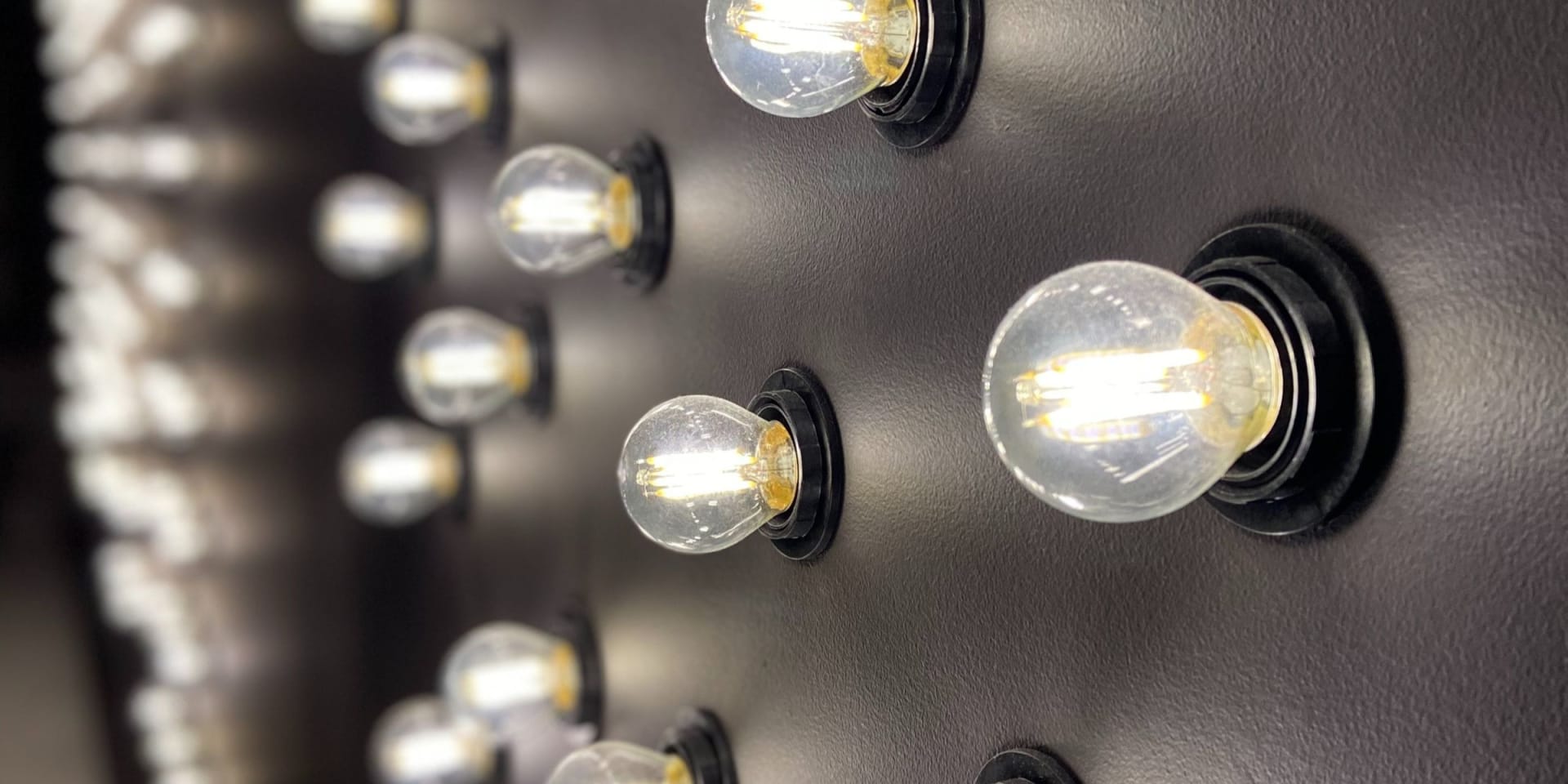
Are LED Lights Suitable For Outdoor Use? (Tips For Choosing LED Lights For Outdoors)
About Author

Rohan C.
Rohan wants to build his own dream backyard to get away from their busy home life. And he also helps bring design to life and build it for his customers using high quality products and building techniques. Rohan has provided many colorful ideas including a water fountain, gazebo, pergola, BBQ area, splash pad, sandbox, and decking with a built-in barbecue.