
How to Bake a Small Rotisserie Chicken
You've mastered the art of cooking a whole chicken, but now you're ready to tackle the challenge of baking a small rotisserie chicken.
The aroma of perfectly seasoned, juicy meat is just a few simple steps away.
So, what's the secret to achieving that succulent, flavorful rotisserie chicken right in your own kitchen?
Let's break it down and get you on your way to a mouthwatering meal that will have everyone coming back for seconds.
Choosing the Right Chicken
When selecting a small rotisserie chicken, opt for a fresh, plump bird that fits your needs and preferences. Chicken size matters, so consider how many people you're serving. A smaller chicken, around 2 to 3 pounds, is ideal for serving 2-4 people. Look for chickens with a healthy plumpness, indicating they're likely juicy and flavorful when cooked.
Freshness indicators are crucial. Check the 'sell by' or 'use by' date to ensure the chicken is within its prime. Additionally, inspect the color of the chicken. It should have a pinkish hue, not gray or pasty. The skin should be slightly translucent, and the meat should spring back when touched.
An important factor to consider is the scent. A fresh chicken should have a neutral scent. If it smells sour or off-putting, it's best to avoid it.
Preparing the Seasoning Rub
To prepare the seasoning rub for your small rotisserie chicken, gather your favorite herbs and spices and mix them together in a small bowl. This is where the magic happens! The seasoning rub is what infuses your chicken with mouthwatering flavor, so don't be afraid to get creative. You can experiment with different flavor variations by adjusting the ratios of your chosen herbs and spices. For a classic rotisserie chicken flavor, a combination of paprika, garlic powder, onion powder, thyme, salt, and black pepper works wonders.
When it comes to seasoning application, be generous and make sure to coat the entire surface of the chicken, including under the skin, to ensure every bite is bursting with flavor. You can also try different cooking techniques, such as marinating the chicken with the seasoning rub overnight for deeper flavor infusion.
If you find yourself missing an ingredient, don't fret! Ingredient substitutions are totally okay. For example, if you don't have thyme, rosemary can be a great alternative.
Now that your seasoning rub is ready, it's time to move onto the next step in creating the perfect small rotisserie chicken.
Trussing the Chicken
You can begin trussing the chicken by tucking the wings behind the back and tying the legs together with kitchen twine. Proper trussing techniques are essential for ensuring that the chicken cooks evenly and retains its shape, resulting in a beautifully roasted bird.
After tucking the wings, flip the chicken over so the breast side is facing up. Then, take a piece of kitchen twine and loop it around the end of one drumstick, pulling it tightly. Cross the twine over to the other drumstick and loop it around that end as well. Pull the twine taut and tie a knot to secure the legs together. This technique helps the chicken cook evenly and prevents the wings and legs from burning.
If you prefer trussing alternatives, you can use metal trussing pins or even silicone bands to secure the chicken. Trussing pins are reusable and can be easily inserted and removed, while silicone bands provide a flexible and heat-resistant option for trussing.
Whichever method you choose, proper trussing ensures that the chicken retains its shape and cooks evenly for a delicious rotisserie chicken.
Preheating the Oven
Preheating the oven is a crucial step in ensuring that your small rotisserie chicken cooks perfectly. Set your oven to the recommended temperature, usually around 375°F (190°C) for a small chicken. This allows the oven to reach the ideal cooking environment, ensuring that the chicken cooks evenly and thoroughly. Preheating typically takes about 15-20 minutes, but always check your oven's user manual for precise timing.
Here are a few baking tips for preheating: Always use an oven thermometer to verify the accuracy of your oven's temperature. If your oven tends to run hot or cold, adjust the temperature accordingly. Additionally, avoid opening the oven door too frequently during preheating, as this can cause temperature fluctuations.
Troubleshooting tip: If your chicken is consistently under or overcooked, consider recalibrating your oven or adjusting the cooking time based on your oven's actual temperature. Remember, proper preheating sets the stage for a delicious rotisserie chicken.
Baking and Testing for Doneness
After preheating the oven to the recommended temperature, the next step is to carefully monitor the small rotisserie chicken as it bakes and test for doneness using a meat thermometer. This is crucial to ensure that the chicken is cooked to perfection, with juicy texture and safe to eat. Here's a handy temperature guide to help you determine the doneness of your small rotisserie chicken:
| Doneness | Temperature |
|---|---|
| Rare | 140°F |
| Medium | 160°F |
| Well-Done | 170°F |
Insert the meat thermometer into the thickest part of the chicken, making sure it doesn't touch any bone, as this can give a false reading. Once the thermometer displays the recommended temperature for your desired level of doneness, your chicken is ready. If the temperature hasn't been reached, continue baking and check at regular intervals. Remember, a juicy and tender small rotisserie chicken is the goal, so don't overcook it. Enjoy the delicious aroma filling your kitchen and the satisfaction of mastering the art of baking the perfect small rotisserie chicken.
Frequently Asked Questions
Can I Use a Different Seasoning Rub Than the One Suggested in the Article?
Yes, you can definitely use a different seasoning rub than the one suggested in the article. Experimenting with different seasonings can create unique flavor variations. Just ensure that any cooking techniques and temperature adjustments are accounted for.
How Can I Make the Skin of the Chicken Extra Crispy?
To make the chicken skin extra crispy, try using cooking techniques like high heat at the end or broiling to crisp it up. You could also consider brining the chicken beforehand to help lock in moisture and flavor.
Can I Add Vegetables to the Bottom of the Roasting Pan While the Chicken Cooks?
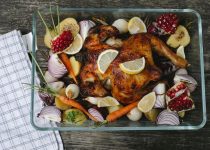
Yes, you can add vegetables to the bottom of the roasting pan. This adds flavor and keeps the chicken juicy. Try carrots, onions, and potatoes. The veggies also absorb the delicious chicken drippings. It's a win-win!
Do I Need to Let the Chicken Rest After It Comes Out of the Oven?
After the chicken comes out of the oven, it's crucial to let it rest for about 10-15 minutes. This resting time allows the juices to redistribute, resulting in a more flavorful and juicier chicken. It's a small step that makes a big difference in the cooking process. Temperature control and proper cooking techniques are essential for a perfectly cooked rotisserie chicken.
Can I Use a Convection Oven to Bake the Small Rotisserie Chicken?
Yes, you can definitely use a convection oven to bake a small rotisserie chicken. It's a great way to ensure even cooking and crispy skin. Just adjust the baking time and temperature accordingly for best results.

What Is Medium Heat on a Rotisserie
How Do I Season a Rotisserie Chicken
Does Sams Club Have Rotisserie Chicken
About Author
