
How to Arrange Alfresco Tables?
When arranging alfresco tables, you need to balance functionality and aesthetics for an inviting atmosphere. Start by assessing your space to choose the right table size and shape. Consider how guests will move around and interact. Don't overlook the importance of decorative elements and comfortable seating. The right combination can transform your outdoor dining experience. Curious about how to bring it all together? Let's explore each aspect step by step.
Key Takeaways
- Assess your outdoor space size to determine the appropriate table shapes and arrangements for optimal flow and accessibility.
- Group tables together to encourage conversation, ensuring ample space for movement between seating areas.
- Consider using a mix of table sizes and styles for visual interest while maintaining a cohesive design theme.
- Incorporate decorative elements like centerpieces and lighting to enhance the dining atmosphere and create a welcoming environment.
- Ensure seating options are comfortable and weather-resistant, providing cushions or throws for added warmth during cooler evenings.
Choosing the Right Table Size and Style
When you're arranging alfresco tables, choosing the right size and style is crucial for creating an inviting atmosphere.
Start by assessing your space; if it's small, opt for round or square tables that encourage conversation. For larger areas, long communal tables work well, fostering a sense of community.
Consider your seating options, too; folding chairs can save space while offering flexibility.
When it comes to style, think about the overall vibe you want to project. Rustic wooden tables create a cozy feel, while sleek metal designs add a modern touch.
Don't forget to match your table choice with the outdoor setting, blending seamlessly with your garden or patio.
Ultimately, the right combination will enhance the alfresco experience for your guests.
Selecting the Perfect Tableware
How can you choose the perfect tableware for your alfresco dining experience? Start by considering the material, as you want something durable yet stylish. Melamine or bamboo can withstand outdoor conditions while looking chic. Next, think about colors and patterns that complement your outdoor setting. Opt for vibrant hues to create a lively atmosphere or softer tones for a more serene vibe. Finally, ensure you have the right utensils and glassware for your menu.
Here's a quick reference table to help:
| Material | Style | Use Case |
|---|---|---|
| Melamine | Casual | Poolside BBQs |
| Porcelain | Elegant | Formal dinners |
| Bamboo | Eco-friendly | Picnics |
Choose wisely to elevate your alfresco experience!
Incorporating Decorative Elements
To create an inviting alfresco dining atmosphere, incorporate decorative elements that reflect your personal style and enhance the setting.
Start with centerpieces, like fresh flowers or seasonal fruits, to add color and vibrancy. Use elegant table runners or placemats for texture and interest.
Don't forget about lighting; string lights or lanterns create a warm ambiance as the sun sets. Consider adding candles for a cozy touch, but ensure they're wind-resistant.
If you have space, decorative trays can organize condiments or drinks, keeping the table neat. Incorporate unique serving dishes or colorful napkins to further express your style.
Creating a Comfortable Seating Arrangement
While you want your alfresco dining area to look appealing, comfort should be a top priority when arranging seating. Start by choosing chairs that provide adequate support and cushioning.
Consider adding cushions or throws for extra comfort, especially on cooler evenings. Arrange tables to allow enough space for guests to move around easily; they shouldn't feel cramped.
Group seating to foster conversation, placing chairs close enough for easy interaction but not so close that it feels invasive.
Don't forget about the height of your seating; a mix of chair and table heights can create a relaxed vibe.
Lastly, ensure your seating is weather-resistant to keep it comfortable and inviting throughout the seasons.
Lighting and Ambiance for Outdoor Dining
Creating a comfortable seating arrangement sets the stage for an enjoyable alfresco dining experience, but the right lighting and ambiance can truly elevate the mood.
Consider warm string lights or lanterns hung overhead to create a cozy atmosphere. You'll want to avoid harsh, bright lights that can detract from the natural beauty of your outdoor space. Use candles or soft LED lights on tables for a gentle glow.
Incorporate natural elements like fire pits for warmth and conversation starters. Additionally, consider the time of day; sunset can provide a stunning backdrop.
Finally, don't forget about music; soft tunes can enhance the ambiance. With these elements, you'll create an inviting outdoor dining experience that your guests will love.
Frequently Asked Questions
How Do I Protect Outdoor Tables From Weather Damage?
To protect your outdoor tables from weather damage, you should use a quality outdoor furniture cover when they're not in use.
Regularly apply a protective sealant to wooden tables to shield them from moisture and UV rays.
For metal tables, consider using a rust-resistant spray.
If you can, store them indoors during harsh weather.
Finally, regularly clean them to prevent mold and mildew, ensuring they stay in great shape.
What Materials Are Best for Outdoor Table Longevity?
When it comes to outdoor table longevity, you'll want to choose durable materials.
Teak, eucalyptus, and cedar are great choices since they resist moisture and pests.
If you prefer metal, aluminum is lightweight and won't rust, while stainless steel offers strength and durability.
For a modern look, consider high-density polyethylene (HDPE) which withstands harsh weather.
Always prioritize materials that combine style and resilience to ensure your outdoor space remains inviting for years.
How Can I Accommodate Different Group Sizes for Alfresco Dining?
To accommodate different group sizes for alfresco dining, you can mix and match table sizes.
Use smaller tables that can be pushed together for larger gatherings, or consider modular options that can be easily rearranged.
It's also smart to have a few larger tables available for bigger groups while keeping smaller ones for intimate settings.
Don't forget to leave enough space for movement, ensuring comfort for everyone at your outdoor dining experience.
Are There Specific Color Schemes That Work Best Outdoors?
When you consider color schemes for outdoor settings, think about hues that complement nature.
Earthy tones like greens, browns, and soft blues create a serene atmosphere. Bright colors like yellows or reds can energize the space and attract attention. You might also consider pastel shades for a softer look.
Don't forget about the season; warm colors work well in summer, while cooler tones can enhance the cozy feel in fall.
What Should I Consider for Alfresco Dining During Different Seasons?
When you're planning alfresco dining for different seasons, consider the weather conditions.
In summer, you'll want shade options, like umbrellas or canopies, to keep your guests cool.
For fall, cozy blankets or fire pits can enhance the experience.
In winter, heating elements like patio heaters can make it comfortable.
And in spring, vibrant flowers or fresh greenery can create a lively atmosphere.
Always think about seating comfort and overall ambiance too!

Costco Rotisserie Chicken Organic?

How to Preserve Rotisserie Chicken
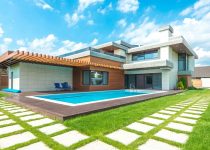
How Do I Lay a Stone Path Around My Backyard Pool?
About Author

Rohan C.
Rohan wants to build his own dream backyard to get away from their busy home life. And he also helps bring design to life and build it for his customers using high quality products and building techniques. Rohan has provided many colorful ideas including a water fountain, gazebo, pergola, BBQ area, splash pad, sandbox, and decking with a built-in barbecue.