
How Long to Do a Rotisserie Chicken
When you're mastering the art of roasting a rotisserie chicken, knowing how long to cook it is crucial. Understanding the key steps in choosing the right size chicken, preparing the rotisserie, and seasoning it properly will ensure a mouthwatering result.
By setting the cooking time and temperature accurately, monitoring for doneness, and allowing the chicken to rest before serving, you'll achieve a perfectly cooked rotisserie chicken every time.
Key Takeaways
- Smaller chickens (3-4 pounds) cook faster and more evenly
- Larger chickens (5-7 pounds) result in juicier and more flavorful meat
- Preheat the rotisserie to recommended temperature (350-400°F)
- Cook for approximately 15 minutes per pound, checking for an internal temperature of 165°F with a meat thermometer
Choosing the Right Size Chicken
When you're selecting a chicken for rotisserie cooking, it's important to consider the size that will best suit your needs. Cooking techniques play a significant role in determining the ideal size of the chicken for your rotisserie.
If you prefer a faster cooking time and a more evenly cooked bird, opt for a smaller chicken, around 3 to 4 pounds. This size allows for quicker and more consistent cooking, especially if you're using high-heat methods.
On the other hand, if you have flavor preferences that lean towards a juicier and more succulent meat, a larger chicken, around 5 to 7 pounds, might be the better choice. The extra size and weight of the bird can contribute to a more flavorful and moist result, especially when using low and slow cooking techniques.
Considering your cooking techniques and flavor preferences is essential when choosing the right size chicken for rotisserie cooking. Whether you prioritize efficiency and even cooking or prioritize richer flavors and succulent meat, selecting the appropriate size will ensure a satisfying rotisserie chicken experience.
Preparing the Rotisserie
To prepare the rotisserie, first ensure you have a sturdy and well-oiled spit to securely hold the chicken in place during cooking. Here are some essential steps for preparing the rotisserie:
- Secure the Spit: Make sure the spit is securely fastened to the rotisserie unit, ensuring it can support the weight of the chicken without wobbling.
- Properly Truss the Chicken: Trussing the chicken ensures even cooking and prevents the wings and legs from flapping around during the rotation. Use kitchen twine to truss the chicken securely.
- Preheat the Rotisserie: Preheat the rotisserie to the recommended temperature, usually around 350-400°F (177-204°C), to ensure the chicken cooks evenly and thoroughly.
- Position the Drip Pan: Place a drip pan beneath the chicken to catch any drippings and prevent flare-ups. This also helps to collect juices that can be used for basting or making a delicious sauce.
Mastering these rotisserie equipment and cooking techniques will ensure that your chicken turns out perfectly cooked and full of flavor.
Seasoning and Flavoring the Chicken
Once you have prepared the rotisserie as outlined in the previous subtopic, you can begin seasoning and flavoring the chicken to enhance its taste and aroma. The flavoring options and seasoning techniques you choose will greatly impact the final taste of your rotisserie chicken. Here are some popular flavoring options and seasoning techniques:
| Flavoring Options | Seasoning Techniques |
|---|---|
| Marinades | Dry Rubs |
| Herb Butter | Spice Blends |
| Citrus Zest | Brines |
Marinades are a great way to infuse your chicken with flavor. You can use a variety of ingredients such as garlic, herbs, and citrus to create a flavorful marinade. Additionally, dry rubs allow you to coat the chicken with a blend of spices, herbs, and seasonings, which form a delicious crust as the chicken cooks. Experiment with different combinations to find the perfect flavor profile for your rotisserie chicken.
Setting the Cooking Time and Temperature
After seasoning and flavoring the chicken, you'll need to set the cooking time and temperature for the rotisserie chicken. Here's how to do it:
- Preheat the rotisserie grill to around 375°F (190°C). This temperature ensures a crispy exterior while maintaining juicy meat inside.
- Place the seasoned chicken onto the rotisserie spit, ensuring it's secured tightly to promote even cooking.
- Cook the chicken for approximately 15 minutes per pound (0.45 kg) at the preheated temperature. For example, a 4-pound (1.8 kg) chicken would require about 60 minutes.
- Use a meat thermometer to check for doneness. The internal temperature should reach 165°F (74°C) in the thickest part of the chicken.
By following these rotisserie cooking techniques, you'll achieve a perfectly cooked chicken with ideal seasoning combinations, providing a delightful balance of flavor and texture. Remember to monitor the cooking process closely, as factors like outdoor temperature and wind can impact the grill's performance.
With these guidelines, you'll be on your way to mastering the art of rotisserie chicken cooking.
Monitoring and Testing for Doneness
To ensure your rotisserie chicken is cooked to perfection, you'll want to use a meat thermometer to check the internal temperature, aiming for 165°F.
Additionally, a visual inspection of the color and texture of the chicken will give you a good indication of doneness. When the juices run clear and there's no pinkness in the meat, your chicken is ready to be enjoyed.
Internal Temperature Check
You should regularly check the internal temperature of the rotisserie chicken using a meat thermometer to ensure it's cooked to the appropriate level of doneness. Here are some essential tips for monitoring and testing the internal temperature:
- Insert the meat thermometer into the thickest part of the chicken, avoiding contact with bones or the rotisserie spit.
- Ensure that the thermometer's probe reaches the center of the meat without touching the bone, as this can give a false reading.
- The chicken should reach an internal temperature of 165°F (74°C) to be considered safe for consumption.
- If the chicken hasn't reached the recommended temperature, continue cooking and recheck the internal temperature in regular intervals.
Visual Color Inspection
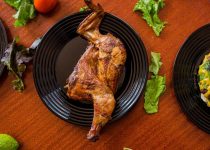
Regularly observe the color of the chicken as it cooks on the rotisserie, checking for a golden brown hue to indicate doneness. Visual appearance is a critical aspect of determining the readiness of a rotisserie chicken.
The color analysis is an essential skill to master in achieving the perfect rotisserie chicken. As the chicken cooks, the skin undergoes a transformation, starting from a pale color to a rich golden brown. The key is to look for uniformity in the color across the entire surface of the chicken.
A deep, golden brown color indicates that the chicken is thoroughly cooked and ready to be removed from the rotisserie. Remember, mastering the visual inspection for color is just as important as monitoring internal temperature to ensure a perfectly cooked rotisserie chicken.
Juices Run Clear
Continuing to monitor the rotisserie chicken, ensure that the juices run clear to confirm it's thoroughly cooked.
Follow these steps to ensure the chicken is perfectly done:
- Use a meat thermometer to check the internal temperature of the chicken. It should reach 165°F (74°C) to ensure it's safe to eat.
- If you used the brining technique, the juices are more likely to run clear, indicating that the chicken is fully cooked.
- Pierce the thickest part of the chicken with a fork or knife. If the juices that run out are clear, not pink or red, the chicken is ready.
- Let the chicken rest for 10-15 minutes after cooking to allow the juices to redistribute, ensuring a moist and flavorful result.
Resting and Serving the Rotisserie Chicken
After removing the rotisserie chicken from the heat, let it rest for at least 10 minutes before carving and serving. This resting period allows the juices to redistribute, ensuring a moist and flavorful chicken. While the chicken rests, it's a good time to prepare your serving dishes and utensils. Once the resting period is over, it's time to carve and serve the delicious rotisserie chicken.
When carving the chicken, it's important to use proper techniques to ensure that you get the most out of your flavorful meal. Here's a helpful guide for carving your rotisserie chicken:
| Carving Step | Instructions |
|---|---|
| Step 1 | Place the chicken breast-side up. |
| Step 2 | Remove the twine or skewers, if applicable. |
| Step 3 | Begin by cutting alongside the backbone to remove each side. |
| Step 4 | Separate the drumsticks and thighs. |
| Step 5 | Slice the breast meat against the grain for tender slices. |
Following these carving techniques will ensure that you present a beautifully carved rotisserie chicken, ready to be enjoyed by all.
Frequently Asked Questions
Can I Use a Rotisserie Chicken in a Recipe That Calls for a Regular Roasted Chicken?
Yes, you can use a rotisserie chicken in a recipe that calls for a regular roasted chicken. The rotisserie chicken flavor is delicious and the seasoning adds a tasty twist to your dish.
What Are Some Creative Ways to Use Leftover Rotisserie Chicken?
Get creative with leftover rotisserie chicken! Use it in meal planning by trying out new and exciting recipes. Incorporate the flavors of the rotisserie chicken in unique dishes to make the most of your leftovers.
Can I Cook a Rotisserie Chicken on a Gas Grill Instead of a Traditional Rotisserie Oven?
You can definitely cook a rotisserie chicken on a gas grill instead of a traditional rotisserie oven. It's a great way to infuse that smoky flavor. Gas grills offer a convenient and delicious alternative for cooking rotisserie chicken.
Is It Safe to Eat the Skin of a Rotisserie Chicken?
It's safe to eat the skin of a rotisserie chicken as long as it's cooked properly. The skin adds flavor and texture, but it's high in fat, so enjoy it in moderation for good health.
Can I Freeze a Rotisserie Chicken for Later Use?
You can freeze a rotisserie chicken for later use. When reheating, ensure it reaches an internal temperature of 165°F. This preserves the flavor and texture, making it a convenient option for quick and tasty meals.

5 Steps to Cooking Perfect Smoked Pizza in Your Backyard Smoker
Is Rotisserie Chicken From Albertsons Keto Friendly

6 Unspoken Health Impacts: Charcoal Vs Gas Grills
About Author
