
How Long Do You Cook a Rotisserie Chicken for
You know that feeling when you're eagerly anticipating a perfectly golden-brown rotisserie chicken, only to realize it's still undercooked? It can be disappointing, to say the least. But fear not, because mastering the art of cooking a rotisserie chicken to juicy perfection is within your reach.
Whether you're a novice or a seasoned chef, getting the cooking time just right can make all the difference. Let's explore the nuances of cooking a rotisserie chicken—factors that influence the cooking time, the recommended temperature and duration, and the telltale signs of doneness.
Rest assured, by the end of this, you'll have the confidence to cook a succulent rotisserie chicken every time.
Factors Affecting Cooking Time
To ensure a perfectly cooked rotisserie chicken, it's important to consider several factors that can affect the cooking time.
First, let's talk about cooking techniques and temperature control. When using a rotisserie, the cooking time can vary based on the specific techniques you employ. For example, if you're using indirect heat, the cooking time might be longer compared to if you're using a higher direct heat. Temperature control is crucial, as it ensures that the chicken cooks evenly and reaches the desired level of doneness.
Next, let's delve into rotisserie seasoning and flavor profiles. The type and amount of seasoning you use can impact the cooking time. For instance, a wet marinade might require a longer cooking time to ensure that it penetrates the chicken thoroughly. Additionally, different flavor profiles can influence the overall cooking time. For example, if you're aiming for a more robust flavor, you might need to adjust the cooking time accordingly.
Recommended Cooking Time and Temperature
Considering the factors affecting cooking time, it's important to establish the recommended cooking time and temperature for a perfectly cooked rotisserie chicken.
Here are some key factors to consider:
- Cooking Methods and Alternatives: When cooking a rotisserie chicken, you can either use a rotisserie oven or a regular oven. A rotisserie oven typically cooks at a consistent temperature, while a regular oven may require adjustments to ensure even cooking.
- Seasoning Options and Flavor Profiles: The recommended cooking time and temperature can vary depending on the seasoning options and flavor profiles you choose. For instance, a rotisserie chicken seasoned with herbs and citrus may require a lower cooking temperature and longer time to allow the flavors to infuse, while a spicier rub might benefit from a higher temperature and shorter cooking time to maintain juiciness.
- Internal Temperature: It's essential to ensure that the internal temperature of the chicken reaches at least 165°F (74°C) to guarantee that it's safe to eat.
- Resting Time: After cooking, allow the rotisserie chicken to rest for about 10-15 minutes. This helps the juices redistribute, resulting in a moist and flavorful chicken.
Checking for Doneness
Now that your rotisserie chicken is cooking, it's important to check for doneness to ensure it's safe to eat.
You can visually inspect the chicken to see if the skin is golden brown and crispy, and the juices run clear when you pierce it with a fork.
Another way to check is by using a meat thermometer to ensure the internal temperature of the chicken reaches at least 165°F (74°C).
Visual Inspection for Doneness
Inspect the chicken by piercing the thickest part of the meat with a knife to check for any signs of pinkness or uncooked areas. Then, assess the texture by ensuring the juices run clear and the meat is springy to the touch.
To visually inspect the doneness of a rotisserie chicken, follow these steps:
- Color Indicator: Look for any pinkness or redness in the juices or meat. Cooked chicken should have no traces of pink and the juices should run clear.
- Texture Assessment: Gently press the thickest part of the chicken with a knife or fork to check for resistance. The meat should feel firm and springy, indicating it's thoroughly cooked.
- Juices: When piercing the meat, ensure the juices that run out are clear, not pink or red.
- Internal Temperature: Use a meat thermometer to check that the internal temperature of the chicken has reached 165°F (74°C) for safe consumption.
Internal Temperature Check
To ensure the rotisserie chicken is thoroughly cooked, it's essential to check its internal temperature using a meat thermometer. Cooking techniques play a crucial role in achieving the desired result, and temperature accuracy is key to avoid undercooking or overcooking the chicken.
When using a meat thermometer, ensure it's inserted into the thickest part of the chicken without touching the bone for an accurate reading. The thermometer placement is vital for getting a precise temperature measurement. The recommended internal temperature for cooked chicken is 165°F (74°C). Once this temperature is reached, the chicken should have a firm texture, and the juices should run clear.
Checking the internal temperature is the most reliable way to ensure your rotisserie chicken is safe to eat and perfectly cooked.
Juices Run Clear
When checking for doneness, a reliable indicator that you've reached the recommended internal temperature of 165°F (74°C) is the clear running of juices from the chicken.
Here's how to ensure the juices run clear:
- Use a meat thermometer to get an accurate reading of the internal temperature. This is the most reliable way to determine if the chicken is fully cooked.
- Avoid any pink color in the juices. Pink juices are an indication that the chicken needs more time to cook.
- Pierce the thickest part of the chicken with the meat thermometer to check for doneness. Ensure it reaches 165°F (74°C) for safe consumption.
- Let the chicken rest for a few minutes after cooking to allow the juices to redistribute, ensuring moist and flavorful meat.
Adjusting Cooking Time for Different Sizes
When cooking rotisserie chicken of different sizes, it's essential to adjust the cooking time to ensure that the meat is cooked thoroughly and evenly. Weight plays a crucial role in determining the cooking time for a rotisserie chicken. Heavier birds require more time to cook through, while smaller ones need less time. To help you adjust the cooking time for different sizes, refer to the table below.
| Chicken Weight (lbs) | Cooking Time (minutes) |
|---|---|
| 3-4 | 60-75 |
| 4-5 | 75-90 |
| 5-7 | 90-105 |
| 7-8 | 105-120 |
| 8+ | 120+ |
Ensure that you use a meat thermometer to check for doneness as well. Insert it into the thickest part of the chicken – the thermometer should read 165°F (74°C) when the chicken is fully cooked. By adjusting the cooking time according to the weight of the chicken and using a meat thermometer, you can achieve perfectly cooked rotisserie chicken every time.
Resting the Chicken After Cooking
Once your rotisserie chicken is done cooking, it's important to let it rest for about 10-15 minutes.
This allows the juices to redistribute, resulting in a juicier and more flavorful chicken.
After resting, you can then proceed to carve the chicken and enjoy the delicious, tender meat.
Resting for Juiciness
After cooking, it's important to let the rotisserie chicken rest for about 10-15 minutes to allow the juices to redistribute, ensuring a moist and flavorful meat when you carve it. Here are some key reasons and tips for resting the chicken:
- Resting Benefits: Allowing the chicken to rest after cooking helps the juices to evenly redistribute throughout the meat, preventing them from running out when you carve into it.
- Temperature Control: Resting the chicken at room temperature for a brief period ensures that the meat's internal temperature remains consistent, helping to avoid overcooking and dryness.
- Flavor Enhancement: Resting allows the flavors to meld and intensify, resulting in a more delicious and succulent chicken.
- Carving Ease: Resting the chicken makes it easier to carve, ensuring clean and neat slices without the loss of juices.
Carving After Resting
Now it's time to carve the rested rotisserie chicken to enjoy its juicy and flavorful meat. When carving a rotisserie chicken, it's essential to use proper carving techniques to ensure an appealing serving presentation. Here's a simple guide to help you carve a rotisserie chicken like a pro:
| Step | Carving Technique | Serving Presentation |
|---|---|---|
| 1 | Remove the twine and trussing from the chicken. | Place the chicken on a clean cutting board. |
| 2 | Start by separating the thighs and drumsticks from the body. | Arrange the thighs and drumsticks neatly on a serving platter. |
| 3 | Next, carve the breast meat by slicing it against the grain. | Fan out the slices of breast meat on the platter for an attractive display. |
| 4 | Finally, separate the wings from the body. | Place the wings strategically around the platter for a balanced look. |
| 5 | Serve and enjoy the succulent rotisserie chicken! | Add garnishes or herbs for a finishing touch. |
Carving and Serving Instructions
Begin by placing the rotisserie chicken on a clean cutting board to prepare for carving and serving.
- Carving:
Use a sharp knife to carefully remove the legs, wings, and breast from the chicken. First, separate the legs from the body by cutting through the skin between the leg and breast. Then, remove the wings by cutting at the joint. Finally, slice the breast meat by cutting parallel to the breastbone.
- Serving:
Arrange the carved pieces on a serving platter, ensuring an appealing presentation. Consider adding fresh herbs or lemon slices for a decorative touch.
- Flavor Infusion:
To enhance the flavor, you can drizzle a small amount of the cooking juices over the carved chicken. This will impart extra flavor and moisture to the meat.
- Serving Suggestions:
Pair the rotisserie chicken with your choice of sides such as roasted vegetables, mashed potatoes, or a fresh salad. It's also delicious served with a dipping sauce or gravy on the side.
Carving and serving a rotisserie chicken is a rewarding experience that allows you to present a flavorful and visually appealing dish to your guests.
Frequently Asked Questions
Can I Use a Rotisserie Chicken in a Slow Cooker or Pressure Cooker Instead of the Oven?
You can absolutely use a rotisserie chicken in a slow cooker or pressure cooker! It's a convenient way to enjoy rotisserie chicken recipes using alternative cooking methods, and it helps to infuse the flavors even more.
Can I Marinate the Rotisserie Chicken Before Cooking, and if So, for How Long?
You can definitely marinate a rotisserie chicken before cooking for added flavor. Try using a mix of herbs, oil, and acidic ingredient like lemon juice. Let it marinate in the fridge for at least 2 hours, but overnight is best. Happy cooking!
What Are Some Creative Ways to Use Leftover Rotisserie Chicken in Recipes?
When it comes to creative recipes and meal prep, leftover rotisserie chicken is a versatile ingredient. You can use it in salads, sandwiches, tacos, casseroles, and soups, making meal planning a breeze.
Is It Safe to Reheat Rotisserie Chicken in the Microwave, and if So, for How Long?
To reheat rotisserie chicken in the microwave, place it on a microwave-safe dish, cover with a damp paper towel, and heat on high for 2-3 minutes, or until it reaches an internal temperature of 165°F. Enjoy!
Can I Freeze Leftover Rotisserie Chicken, and if So, for How Long Will It Stay Fresh in the Freezer?
You can freeze leftover rotisserie chicken for up to 3 months for best quality. To reheat, use a microwave or pressure cooker for quick meals, or try alternative cooking methods like grilling or using it in marinated dishes.
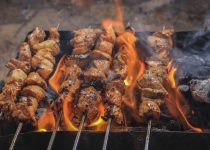
How to Cook Capon on Grill Rotisserie

How to Craft an Alfresco Setup?

3 Steps to Perfectly Crispy Chicken Skin on Your Backyard Grill
About Author
